


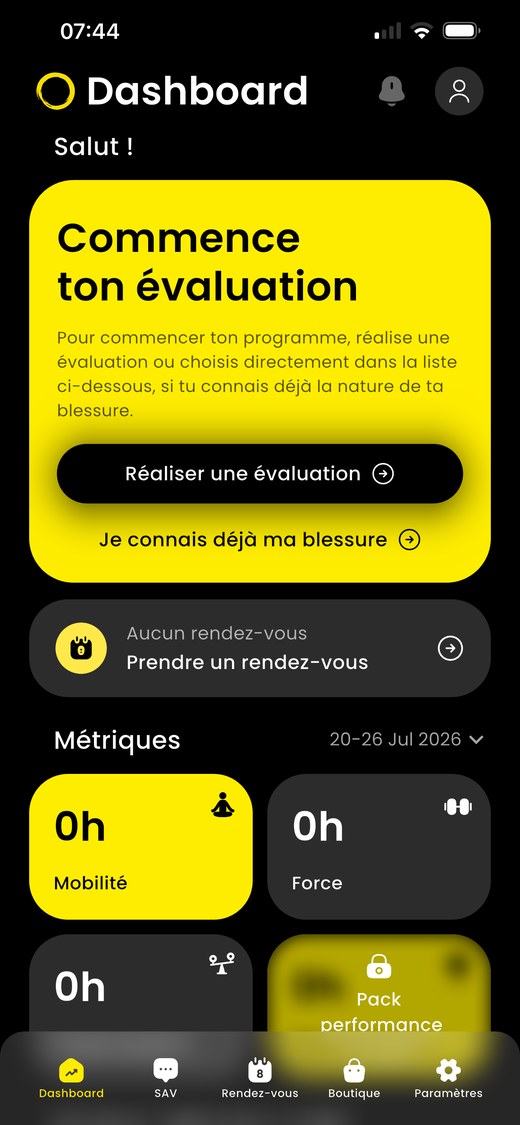
A sense of the injuries treated by HOPP
Rotator cuff tendinitis
Ankle sprain
Shin splints
Muscle tear
Groin pain (pubalgia)
Patellofemoral pain syndrome
Knee meniscus injury
Iliotibial band syndrome
Plantar fasciitis
I choose my programme
Start your free 3-minute assessment.
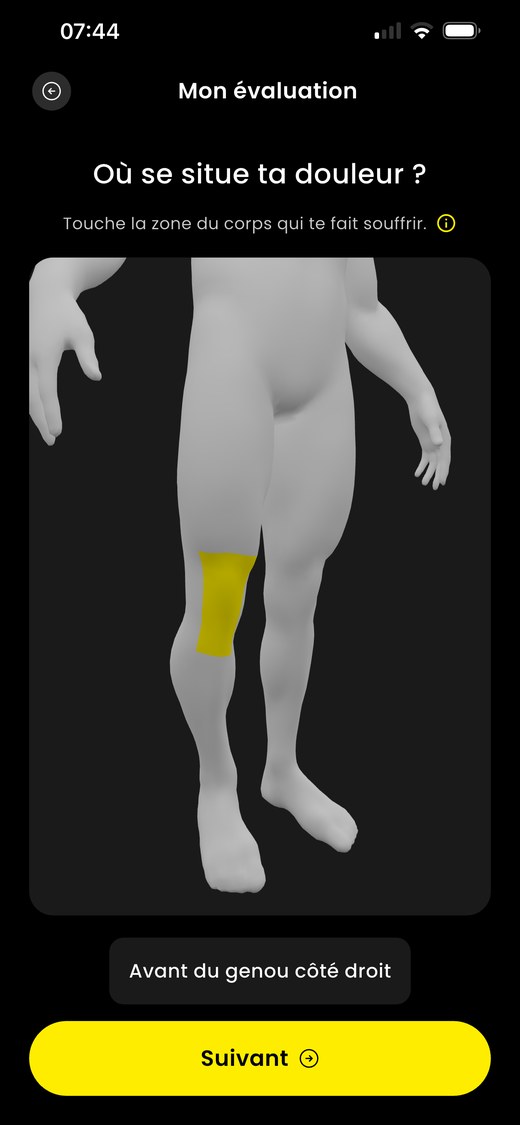
What are the most common injuries?
Runner’s knee, or patellofemoral pain syndrome
The most common knee pain among athletes, and especially female athletes. Runner’s knee is a front-of-knee injury that responds well to treatment.
Learn more about PFPS →Meniscus problem / knee meniscus injury
A meniscus injury causes a precise pain in the knee. Damage to a meniscus creates a sensation of locking or pinching when going down stairs and when bending the knee significantly. Treatment can range from rehabilitation to arthroscopic surgery.
Learn more about the meniscus →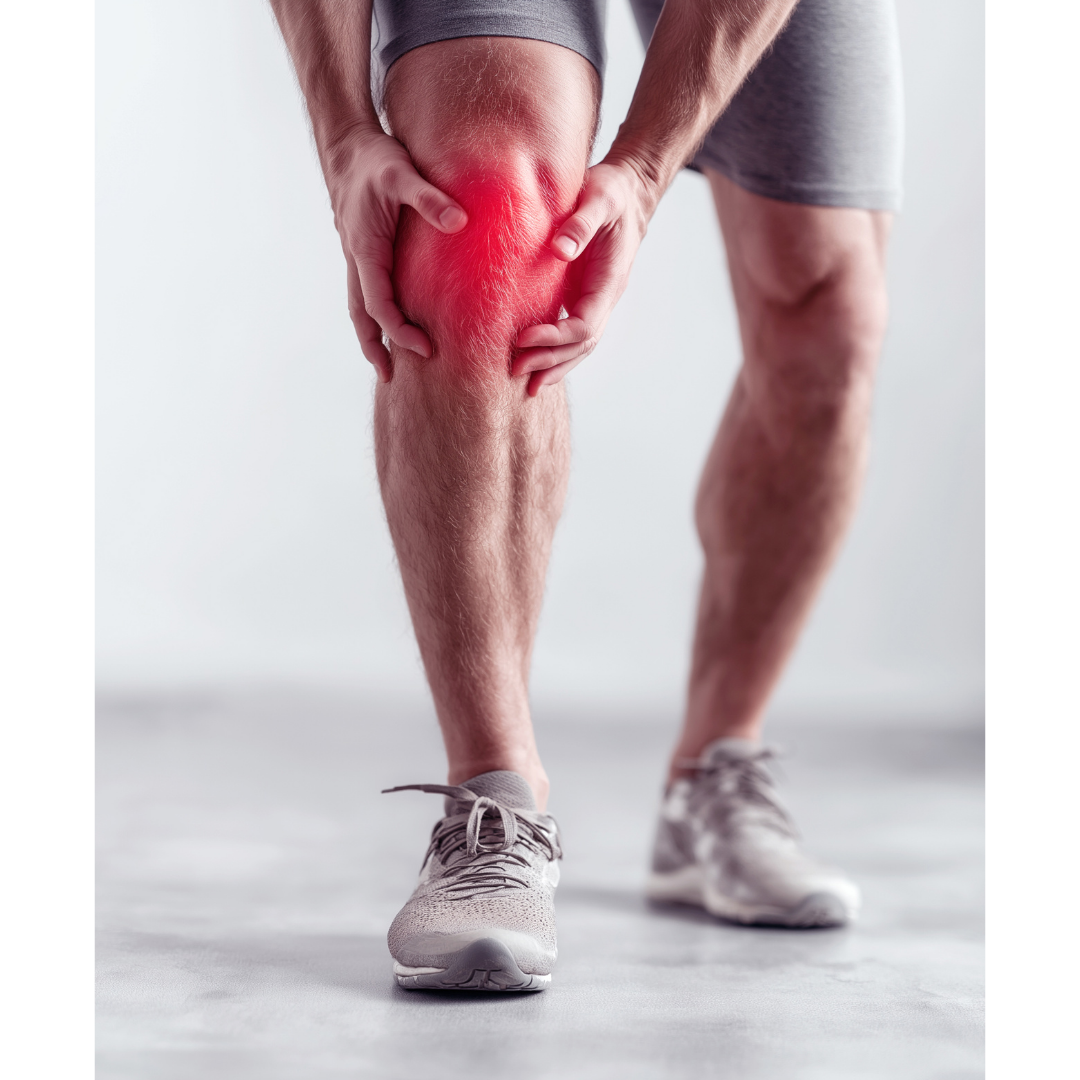
Rotator cuff problem / tendon-related shoulder pain
Shoulder pain is mainly caused by weakness or a muscular imbalance that irritates the tendons. This injury responds well to treatment as long as it’s addressed early enough.
Learn more about the rotator cuff →Achilles tendinitis
Well known to runners and basketball players, Achilles tendinitis is a pain in the tendon at the back of the ankle. This injury needs specific care for a good outcome.
Learn more about the Achilles →
Iliotibial band syndrome
Iliotibial band syndrome is the typical runner’s injury. The knee pain it causes can force you to stop running, and it needs specific care for a safe return to sport without risk of recurrence.
Learn more about IT band syndrome →Tennis elbow (epicondylitis)
Tennis elbow is an outer-elbow pain specific to tennis players. This injury can also happen from repeated efforts that put too much strain on the elbow, irritating the wrist and hand extensor tendons. A precise protocol exists for this injury.
Learn more about tennis elbow →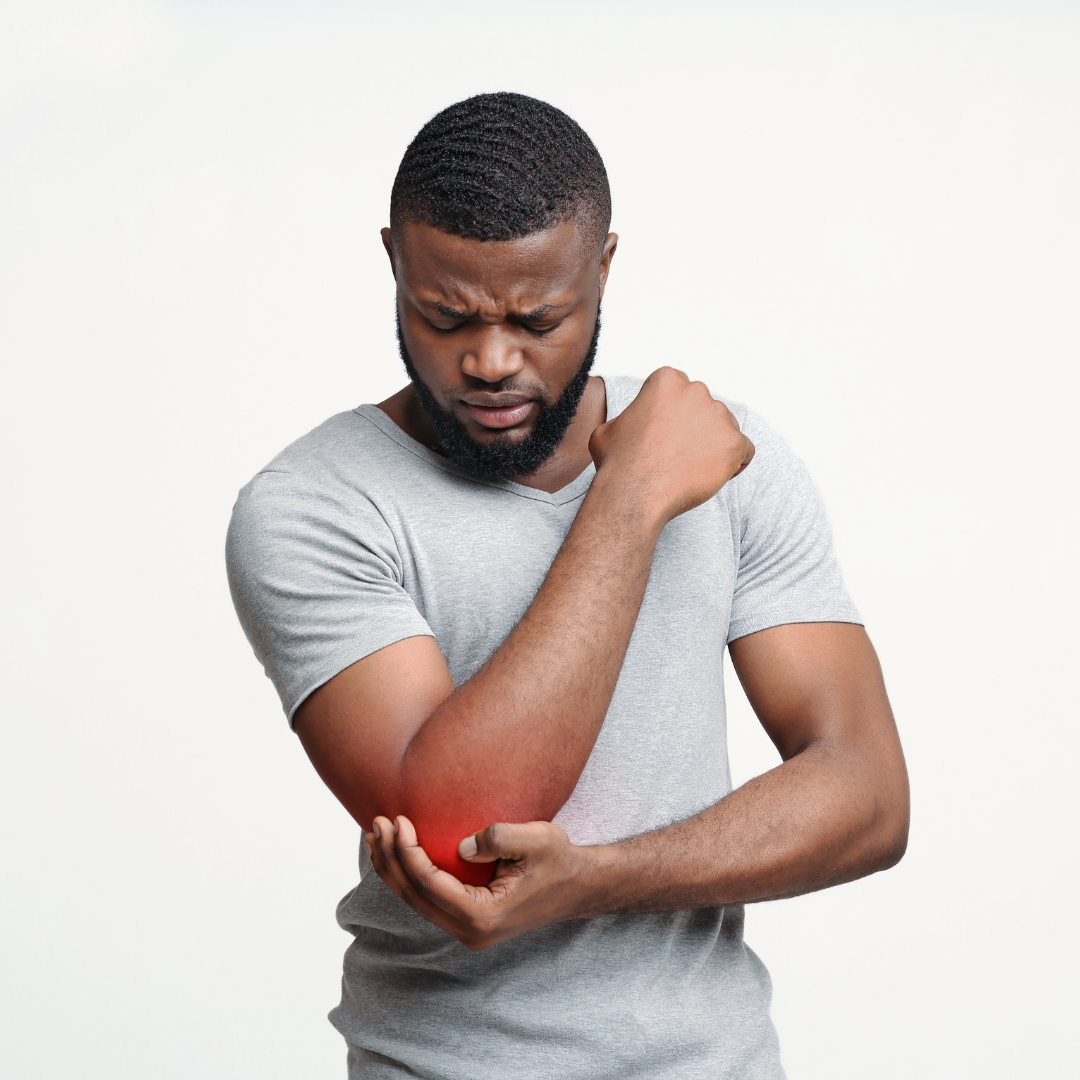
Ankle sprain
An ankle sprain is a very common injury among athletes. Poor footing or a shock combined with a strong twist of the ankle stretches the ligament. Treating a sprain properly is essential for a safe return to activity.
Learn more about ankle sprains →ACL tear (anterior cruciate ligament)
A knee sprain with a torn anterior cruciate ligament, or ACL tear, is a serious knee injury usually caused by trauma. Treatment is long and often involves reconstructive surgery before a period of rehabilitation.
Learn more about the ACL →
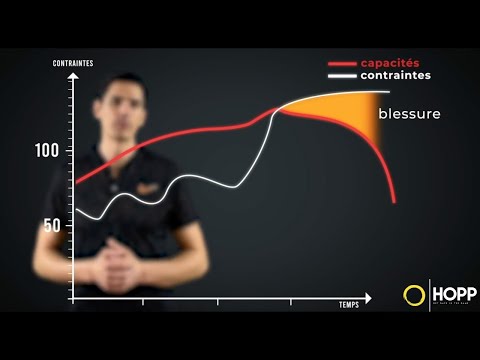
The universal reason for injury
Watch on YouTube
The different types of injury:
Thanks to our innovative solution dedicated to injuries, you’ll be able to find the information you need about your pain or injury. Based on your answers, we’ll be able to guide you towards the most relevant information. Here are the different injury categories our team explains.
Sprain
A sprain is an excessive stretch of a ligament. This ligament injury can heal, but rehabilitation is needed to get the ligament working effectively again. Some sprains with a torn ligament are called “severe sprains” and may require surgery.
Learn more →Tendinitis
Tendinitis, or tendinopathy, is a tendon’s reaction to overuse of its structure. In response to excess strain, the tendon has an inflammatory response with pain, redness and swelling. Tendinitis is treated with a strict but very effective protocol, whatever the location of the pain.
Learn more →Muscle tear / strain and pull
Under too much strain, a muscle can be injured. Depending on the severity and extent of the damage to the muscle fibres, this is called a tear, a strain, or a pull. There are different severity levels that determine the appropriate treatment.
Learn more →Muscle soreness (DOMS)
Muscle soreness is muscle pain caused by the natural inflammatory process that kicks in as muscle fibres heal after intense effort. It’s a painful but normal sensation following an effort that was too much for the muscle.
Learn more →Fractures
A fracture is damage to the bone. Following trauma or prolonged overuse, the bone can break. A fracture can be simple, displaced, or a stress fracture. In any case, a fracture needs prompt treatment by a doctor.
Learn more →Dislocation and subluxation
A dislocation is damage to a joint — a joint that comes out of place. A subluxation is a dislocation of a joint that has since gone back into place, but that still caused some damage.
Learn more →Swelling and bursitis
Swelling is a joint’s reaction to trauma or excess strain. Bursitis is the same phenomenon, but within a bursa near the joint. The result is associated pain and a limitation of functional activity.
Learn more →Bone bruise
A bone contusion is the equivalent of a bruise on the bone. Following trauma, the bone reacts and a bruise forms. Often not very visible, a bone bruise can nonetheless be very painful.
Learn more →Muscle contracture
A muscle contracture is a spasm of the muscle fibres following a difficult effort. The muscle can be released through massage or stretching. A physio can use specific techniques to relieve the pain.
Learn more →Can every injury be treated remotely?
No — and that’s exactly why HOPP gives you all the information you need to know how to manage your injury.
Should you
Rest for a while
Start your care without waiting
See your GP
See a specialist
Go to the emergency room
Book an appointment with a sports physiotherapist
Not sure whether to see a doctor or a physio?
Take the “doctor or physio?” quiz to find your way in 1 minute.
How long does it take to recover?
The time it takes to treat an injury depends on several factors:
The nature of the injury (tissue / location)
The severity of the injury
Your lifestyle habits
Your genetics
Your motivation
The quality of your care (HOPP)
You can see that to optimise your recovery time, you’ll need to work on several of these factors. To master them, you need to be guided and followed by expert sports health professionals. Rest assured, all this information is covered in detail during your HOPP care programme.
Why doesn’t the HOPP solution cover back and neck problems?
Pain and injuries located in the back and neck are numerous and very complex. Their complexity comes from the many factors that can cause them:
Muscular
Nervous
Postural
Joint-related
Disc-related
Inflammatory
Visceral
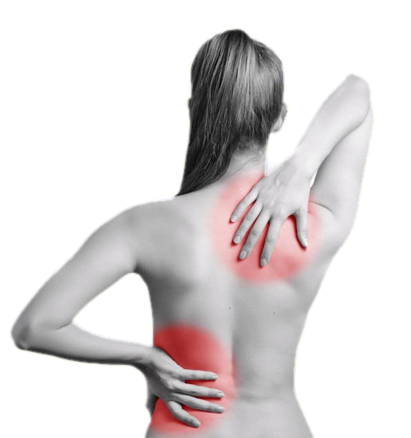
We’re not in a position to give you reliable, relevant information for this area of the body. We’d love to be able to help people suffering from back and neck problems, but the risk would be not offering an effective result. So we focus on giving the best results for all injuries and pain in the lower and upper limbs.
Do you need to be an athlete to benefit from HOPP care?
No. Although HOPP was created to meet the needs of injured athletes eager to get back to sport, our solution is just as effective for someone who isn’t an athlete. You don’t need to play sport to get injured — for example:
From a fall
While doing DIY
From an awkward movement
From a repeated movement at work
From poor posture at work
HOPP care programmes are suited to this type of injury too, because the healing mechanism is the same. Depending on each person’s goal, the programme may or may not continue into a return-to-play phase to regain optimal physical condition, ahead of a return to competitive sport.

Discover my injury
Answer a few questions and get your answer in 3 min.