


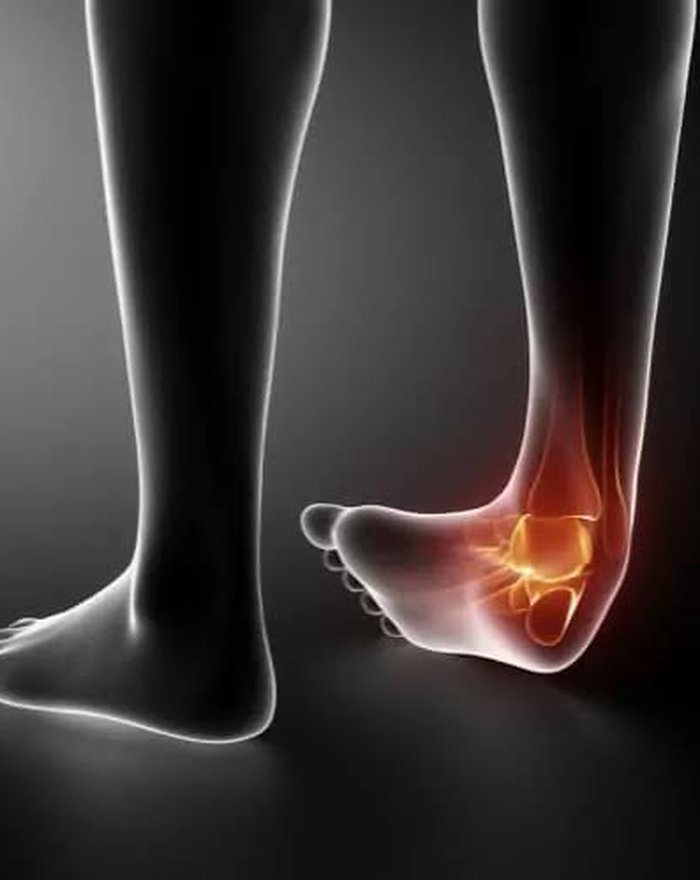
The role of the ligament in athletes
A ligament is a semi-rigid cord that stabilises a joint by connecting two bones together. The best known are the cruciate ligaments of the knee, which stabilise the tibia relative to the femur.
Without ligaments, every joint would sprain repeatedly. Even so, they retain a slight capacity to stretch, allowing freedom of movement: flexion, extension, rotation.
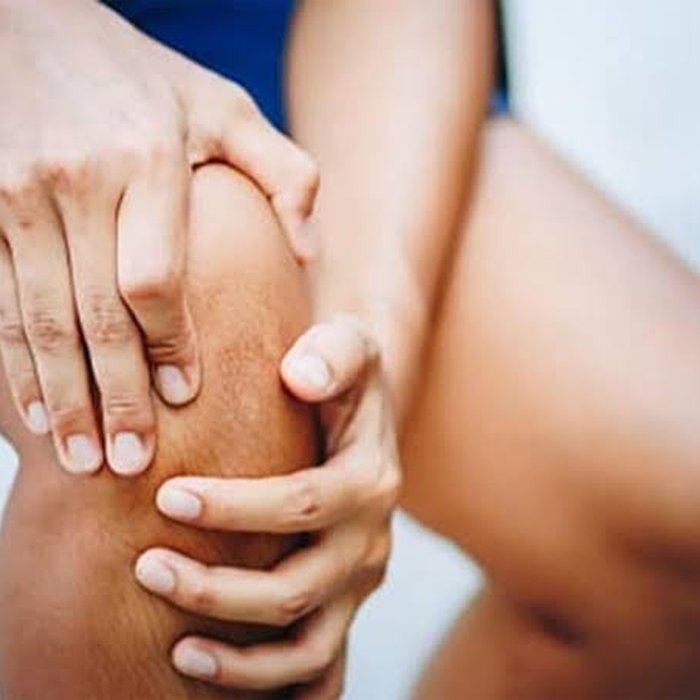
The 3 stages of a sprain
When a ligament is stretched too far, it tears to a greater or lesser extent. The severity of the injury determines three stages:[1]
Stage 1: mild stretching, the ligament is barely injured, moderate inflammatory reaction
Stage 2: partial tear of the ligament, more pronounced inflammatory reaction, longer healing time
Stage 3: complete tear of the ligament, the most severe stage, sometimes associated with a bone fracture
The most common sprains in athletes
Any joint can be affected by a sprain. Here are the most common ones:
What to do if you think you have a sprain?
The most important thing is to reach the right diagnosis using specific tests and further examinations suited to the joint affected: MRI for the knee (looking for an ACL tear), ultrasound for the ankle, X-ray to rule out an associated fracture.
Following a sprain, the joint is often painful, warm and swollen. Care depends directly on the stage of severity identified.
The HOPP solution to support you
HOPP helps you identify the stage of your sprain and follow a suitable rehabilitation programme, from the inflammatory phase through to your return to sport.
A precise assessment of your sprain
You describe your situation, and HOPP helps you understand the stage of your sprain and offers you a suitable programme.

Targeted strengthening and proprioception
Progressive exercises to rebuild joint stability and reduce the risk of recurrence.
Frequently asked questions
Can a sprain heal on its own?
Yes, a ligament has the capacity to heal, but rehabilitation is still needed for it to become fully effective and functional again, especially after a stage 2 or 3 sprain.
How do I know if my sprain is serious?
The intensity of the pain, the extent of the swelling and the instability you feel are initial clues, but only a clinical examination and sometimes imaging can confirm the actual stage.
Does a severe sprain always need surgery?
Not systematically. Some complete tears (stage 3) require surgery depending on the joint and ligament involved, while others are treated functionally.
When can I get back to sport after a sprain?
It depends on the stage and the joint involved. A progressive rehabilitation programme, including strengthening and proprioception, is essential before any return, to limit the risk of recurrence.[2]
Does your pain sound like a sprain?
Get a clear answer in 3 minutes and start your suitable programme.