



Dislocation and subluxation: what’s the difference?
A dislocation is a joint injury where it comes out of place: the joint surfaces lose all normal contact. It causes damage to the ligaments and joint capsule, often with visible deformity and immediate loss of function.
A subluxation is a joint dislocation that then goes back into place on its own or quickly, but still causes ligament and capsule damage that shouldn’t be overlooked.
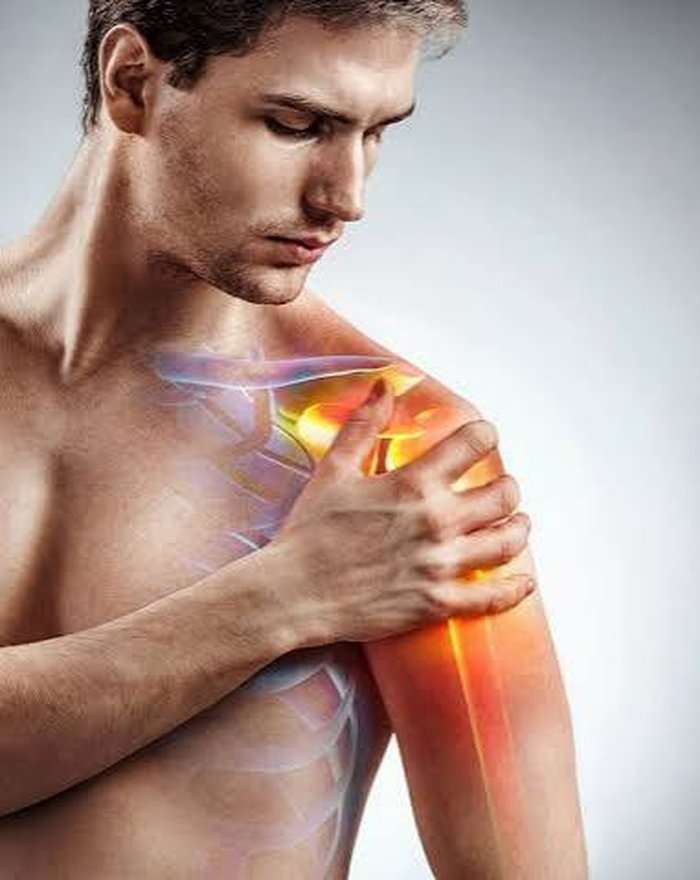
How a dislocation happens
The shoulder is the joint most often affected: it has to provide both great mobility and great stability, which makes it more vulnerable.[1] The ligaments and capsule aren’t always fully taut depending on the arm’s position, creating positions of weakness.
A dislocation or subluxation generally occurs during a large-amplitude movement combined with a strain (a fall, contact, a violent sporting movement) that exceeds the resistance capacity of the joint’s passive and active structures.
The most common dislocations and subluxations
Treating a dislocation
A dislocation requires prompt reduction (putting the joint back in place), most often in the emergency room, followed by a period of immobilisation then progressive rehab. Strengthening the joint’s active stabilising muscles is essential to limit the risk of it happening again.
After a first dislocation, the risk of recurrence is significant if rehab isn’t carried through to completion, hence the importance of a complete strengthening and proprioception programme.[2]
The HOPP solution to support you
Once reduction has been done by a professional, HOPP supports you through the rehab phase to regain stability and confidence in the joint.
A targeted strengthening programme
HOPP offers you progressive exercises to strengthen your joint’s active stabilising muscles.

Tracking your progress
You track how your stability evolves and adjust your programme based on your daily feedback.

Frequently asked questions
Is a subluxation less serious than a dislocation?
It’s often less dramatic because the joint goes back into place on its own, but it still causes ligament damage that needs genuine care.
Should you always go to the emergency room for a dislocation?
Yes, a dislocation requires prompt reduction overseen by a healthcare professional, along with an assessment to check for any associated complication.
Why does the shoulder dislocate more often than other joints?
Because it has to provide both very great mobility and stability, which structurally makes it more exposed to this type of injury.[1]
How can you avoid a repeat dislocation?
By following a complete rehab programme, including strengthening the active stabilising muscles (like the rotator cuff for the shoulder) and proprioceptive work.[2]
Pain that looks like a dislocation?
Get a clear answer in 3 minutes and start your suitable programme.