

What is a kneecap subluxation?
Kneecap stability anatomy
The kneecap normally glides within a groove in the femur (the trochlea) thanks to the balance between the bony structures, the ligaments holding it on either side, and the quadriceps that centres it with every movement.[1] A subluxation is a partial, temporary displacement of the kneecap out of this groove, most often outward, which generally goes back into place on its own, unlike a complete dislocation, where the kneecap stays displaced.
Why does the kneecap shift?
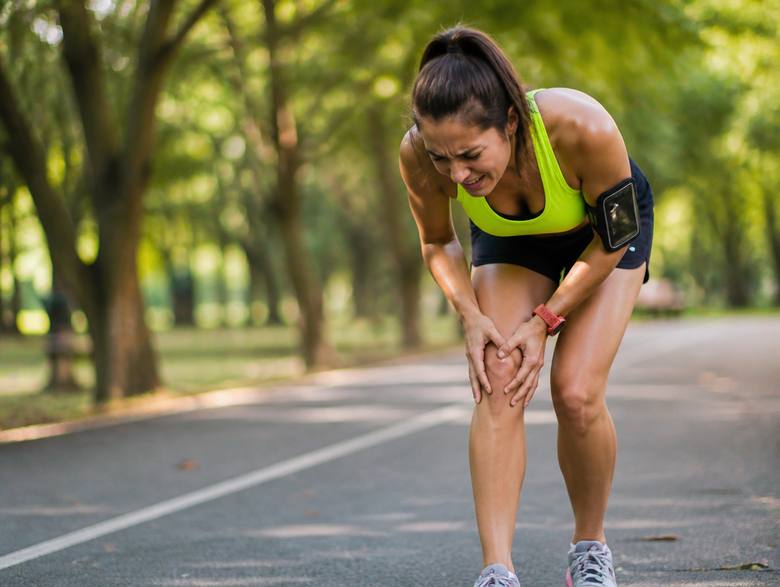
Subluxation most often occurs during a pivoting movement with the knee flexed, particularly in athletes with an anatomical predisposition (a high-riding kneecap, a shallow trochlea, knock knees) or weakness in the inner quadriceps, which normally plays a key role in centring the kneecap. A first episode increases the risk of recurrence if the underlying factors aren’t addressed.[2]
Symptoms and diagnosis of a kneecap subluxation
Typical signs
A sudden sensation of the kneecap shifting, often during a pivot, followed by it slipping spontaneously back into place. Sharp pain at the moment of the episode, sometimes swelling in the hours that follow, and marked apprehension around rotational movements afterwards.
Differential diagnosis
Other anterior knee pain conditions can resemble a subluxation:
- Patellofemoral pain syndrome, without a clear sensation of the kneecap shifting
- An ACL sprain, with instability more in tibial rotation than an actual displacement of the kneecap itself
Causes and risk factors
A subluxation most often occurs during a pivot in an athlete with an anatomical predisposition or muscle weakness.
Risk factors
- An anatomical predisposition (a high-riding kneecap, a shallow trochlea, knock knees)[1]
- Weakness in the inner quadriceps (vastus medialis)
- A lack of hip stability
- A history of subluxation or dislocation, a major risk factor for recurrence[2]
Which sports contribute to kneecap subluxation?
Sports involving pivoting with the knee flexed carry a particular risk:
- Basketball and handball (pivoting, jump landings)
- Football (sudden changes of direction)
- Dance and gymnastics
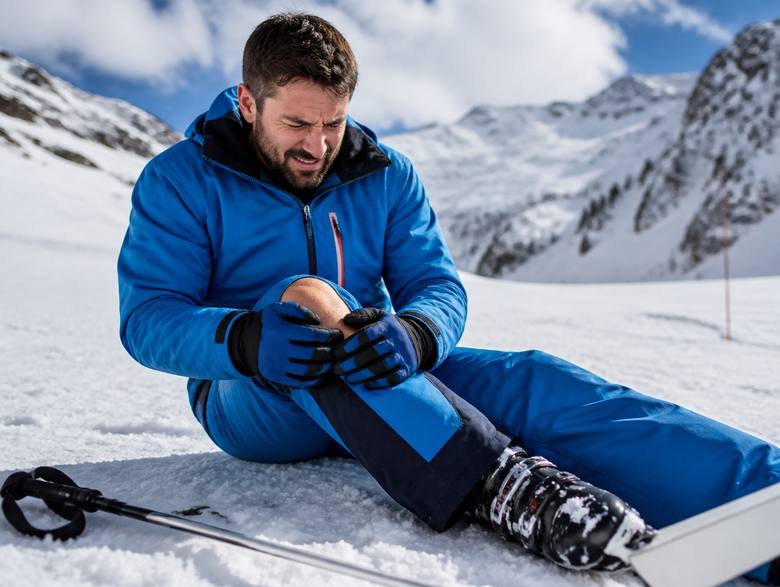
- Alpine skiing
- Racquet sports with rapid changes of stance (tennis, padel)
Treating a kneecap subluxation in rehab with a sports physio
The goal of treatment is to calm the initial episode, then strengthen the structures that naturally centre the kneecap to strongly limit the risk of recurrence.
- 1Reducing the initial pain and swelling
- 2Recovering full knee mobility
- 3Strengthening the quadriceps, particularly its inner portion
- 4Strengthening the hip to stabilise the pelvis
- 5Proprioceptive and balance work
- 6Controlled rotational dynamic stability
- 7Progressive straight-line running
- 8Working on changes of direction
- 9Progressive return to your sport
- 10Return to competition
“A kneecap that shifts once isn’t doomed to do it again, as long as you understand why it wasn’t centred well enough that day.”
Strengthening, the cornerstone of treatment
Strengthening the quadriceps, particularly its inner portion (vastus medialis), is essential to better centre the kneecap in its trochlea with every movement. It’s complemented by hip strengthening, because an unstable pelvis increases the risk of the knee moving inward, a factor that contributes to subluxation.
In brief
- Strengthening the quadriceps, particularly its inner portion
- Strengthening the hip to stabilise the pelvis
- Proprioceptive work to make rotational weight-bearing safer
- Gradual return before any pivoting
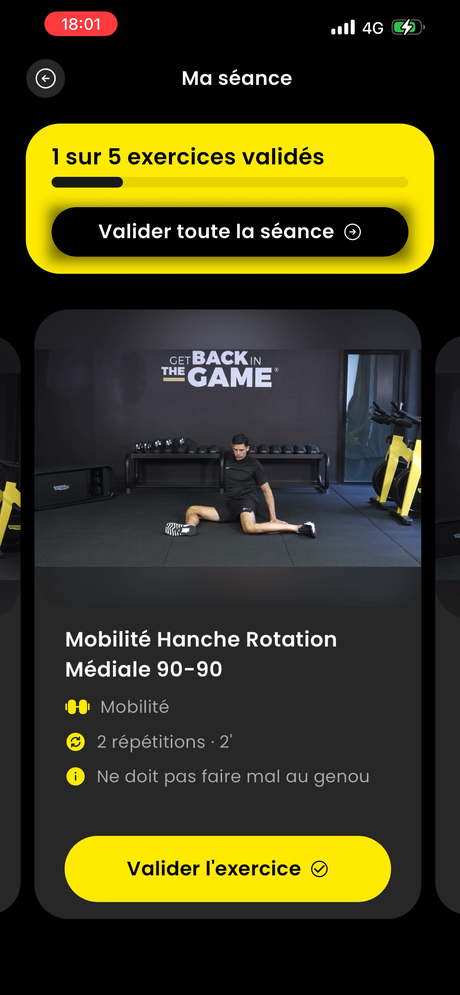
Ready to secure your knee after your kneecap subluxation?
Start the HOPP programme designed by sports physios.
Should you rest or keep playing sport?
After the initial acute phase, total rest isn’t the answer: it’s better to progressively resume suitable activity while avoiding pivots and rapid changes of direction until inner quadriceps strengthening is sufficiently advanced.
Think you might have a different knee injury?
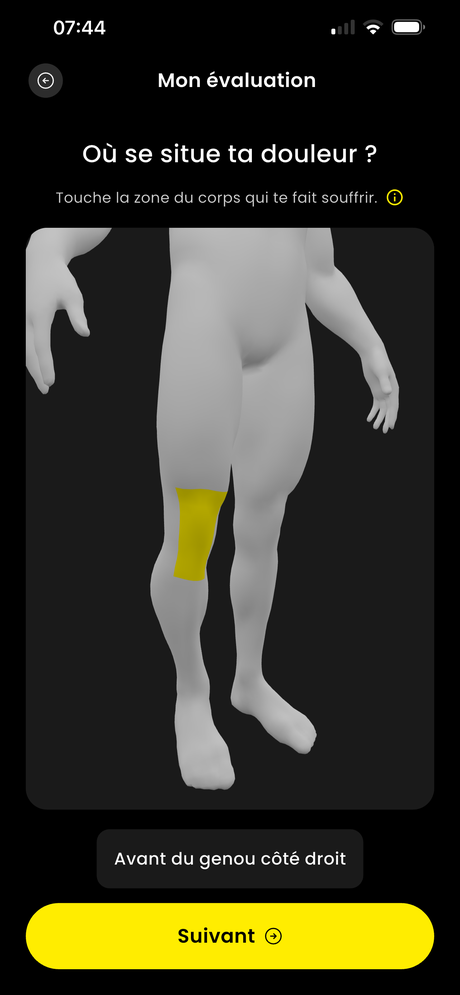
Take your free test in 3 minutes flat.
When should you see a specialist for a kneecap subluxation?
A medical opinion is recommended from the first episode, particularly to check for an associated injury (a cartilage fragment, ligament damage) and assess the predisposing anatomical factors. If episodes recur repeatedly, a more thorough assessment may be needed.
Expected progression of a kneecap subluxation
Initial pain and swelling usually improve within days to a few weeks. Strengthening the inner quadriceps and hip, however, takes several weeks to become solid enough before a safe return to pivoting.
Preventing recurrence
The risk of recurrence after a first episode is significant: several measures help reduce it:
- Seeing inner quadriceps strengthening through to the end before returning to pivoting
- Keeping up hip stability work over the long term
- Not brushing off a first episode, even a brief and mildly painful one
- Talking to a doctor about a more thorough assessment if episodes keep recurring
The HOPP care programmes to treat your kneecap subluxation and get back to sport
To prevent recurrence, a kneecap subluxation requires rigorous, progressive strengthening of the knee. HOPP offers you a precise exercise programme, allowing you to safely get back to your activities as quickly as possible. By combining mobility, strengthening, proprioception and training management, HOPP supports you all the way back to the field.
The programme runs from 3 to 9 weeks depending on the injury and ends with a reconditioning phase allowing a return to competition in the best possible conditions. Each programme is designed by the HOPP team, made up of two sports physiotherapists who are experts in assessing and treating athletes. You’ll also find theoretical content throughout your progression, so you master every aspect of your recovery and can adjust your treatment independently. If needed, our team of physiotherapists is on hand to support you.
Essential
FROM INJURY TO
BACK TO YOUR ACTIVITIES
59€
One-time payment
“AT YOUR OWN PACE WITH
DAILY ADAPTATION”
- 100% of the treatment programme
- Daily personalisation
- Flexibility / Mobility
- Strengthening
- Proprioception
- Progress tracking
- Return-to-running programme
- Theoretical content included
Performance
TO GET BACK TO SPORT
IN THE BEST CONDITIONS
79€
One-time payment
“GET BACK TO YOUR LEVEL
WITHOUT RISK OF RELAPSE”
- 100% of the treatment programme
- Daily personalisation
- Flexibility / Mobility
- Strengthening
- Proprioception
- Progress tracking
- Return-to-running programme
- Theoretical content included
- + 4-week return-to-play plan with 6 difficulty levels
Expert
PERSONALISED VIDEO-CALL
SUPPORT, ANY TIME
149€
One-time payment
“A PHYSIO
WHENEVER YOU NEED”
- 100% of the treatment programme
- Daily personalisation
- Flexibility / Mobility, Strengthening, Proprioception
- Progress tracking
- Return-to-running programme
- Theoretical content included
- + 4-week return-to-play plan with 6 difficulty levels
- + 2 video calls with an expert sports physio / return check-up
A programme that adapts to you every day
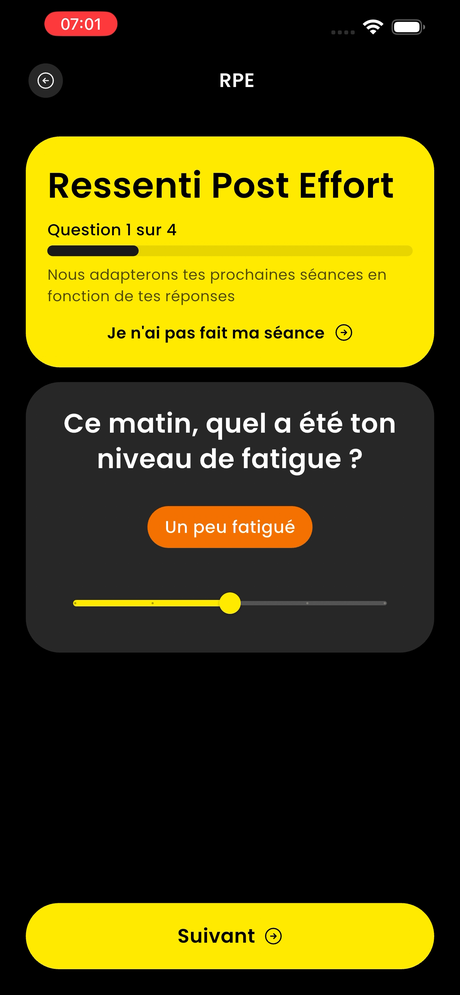
Every day, how you feel (RPE) is factored in to automatically adjust the rest of your programme: more load if all is well, a bit less if your kneecap is complaining. This daily personalisation is what makes the difference compared to a fixed, paper-based programme.

Ready to start your programme?
Join the HOPP support programme designed by sports physios.
F.A.Q
Are kneecap subluxation and dislocation the same thing?
No. A subluxation is a partial, temporary displacement of the kneecap, which goes back into place on its own. A dislocation is a complete displacement, where the kneecap stays displaced until a reduction manoeuvre. Both share the same risk factors.
Can I go back to sport after a kneecap subluxation?
Yes, in most cases, provided you seriously strengthen the inner quadriceps and hip before returning to pivoting and changes of direction, to limit the risk of recurrence.
Is the risk of recurrence high after a kneecap subluxation?
It’s significant, particularly in young athletes or those with an anatomical predisposition, if strengthening isn’t done seriously.[2] A targeted rehab programme clearly reduces this risk.
Does the HOPP programme replace a medical consultation?
No. HOPP is a support and rehab tool designed by sports physiotherapists, but it doesn’t replace a doctor’s opinion. If in doubt, or if the pain persists, see a health professional.
Is the programme suited to all sporting levels?
Yes. Every programme is personalised to your sport, your level and how you feel each day, whether you’re a recreational athlete or preparing for competition.
Is imaging needed after a subluxation?
A medical opinion is recommended from the first episode to rule out an associated injury (a cartilage fragment, ligament damage) and assess predisposing anatomical factors, which may include imaging depending on the clinical exam.
How can I tell a subluxation apart from patellofemoral pain syndrome?
A subluxation is marked by a clear sensation of the kneecap shifting followed by it slipping spontaneously back into place, whereas patellofemoral pain syndrome causes diffuse pain around the kneecap without that clear episode of instability.