

What is wrist flexor tendinopathy?
Wrist flexor tendon anatomy
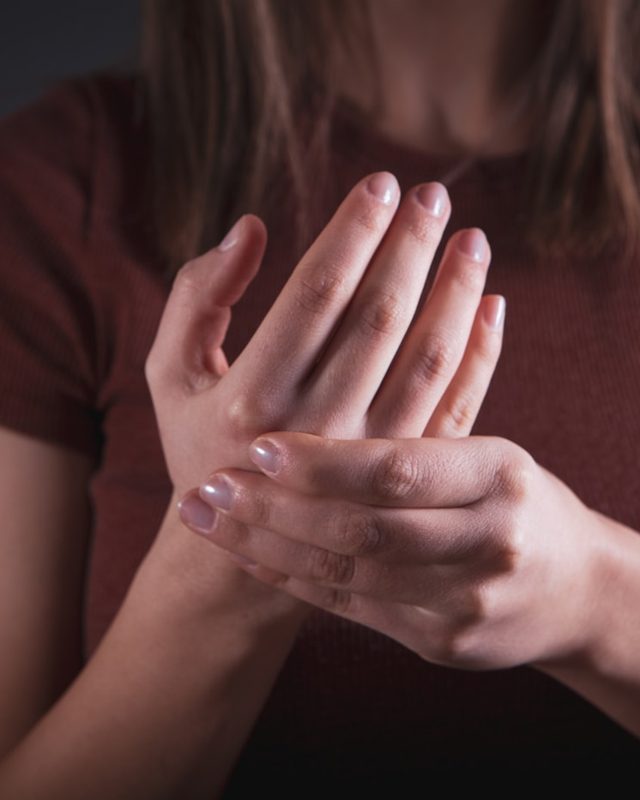
The wrist flexor muscles sit on the inner side of the forearm and their tendons attach to the palm side of the hand. They flex the wrist and contribute to grip strength. This tendinopathy causes pain on the inner side of the wrist or forearm, the mirror image of golfer’s elbow but located lower down, at the wrist.
Why do these tendons become painful?
Pain appears when the wrist flexors are repeatedly loaded beyond their capacity, typically during wrist flexion movements and forced gripping (golf, throwing, weight training). Too rapid an increase in training volume or unsuitable technique are common contributing factors.
Symptoms and diagnosis of wrist flexor tendinopathy
Typical pain and its triggers
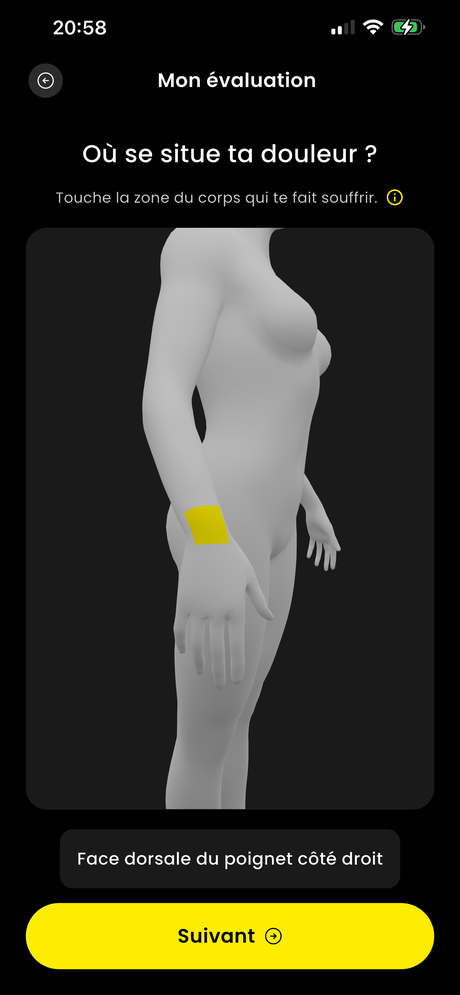
The pain sits on the inner side of the wrist or lower forearm, triggered by wrist flexion against resistance and by forced gripping (squeezing, pulling, carrying). It can also appear on direct palpation of the tendons, just below the wrist crease.
Differential diagnosis
Several wrist or forearm conditions can resemble this tendinopathy:
- Golfer’s elbow, which affects the same flexor muscles but at their attachment at the elbow, higher up the forearm[1]
- Wrist extensor tendinopathy, the mirror image but located on the outer side of the wrist
- Carpal tunnel syndrome, which tends to cause tingling or numbness in the fingers rather than pure pain on movement
Causes and risk factors
This tendinopathy develops when the wrist flexor tendons are repeatedly loaded beyond their capacity to adapt at that point in time.
Biomechanical and personal factors
- Too rapid an increase in training volume or intensity
- Unsuitable gripping or swing technique
- A strength or endurance deficit in the wrist and forearm flexors
- Returning too quickly after a period of rest
Which sports contribute to wrist flexor tendinopathy?
Any sport with repeated wrist flexion and forced gripping exposes these tendons:
- Golf (swing and club grip)
- Climbing (prolonged forceful gripping)
- Racquet sports such as tennis and padel
- Crossfit and Hyrox (pulling movements and heavy loading)
- Throwing sports (baseball, javelin)
- Repetitive manual activities
Treating wrist flexor tendinopathy in rehab with a sports physio
The goal of treatment is to progressively strengthen the wrist flexors to restore their capacity to absorb load, particularly through eccentric work.
- 1Reducing pain and managing load
- 2Wrist and finger mobility
- 3Isometric strengthening
- 4Progressive concentric strengthening
- 5Eccentric strengthening
- 6Full forearm work
- 7Correcting sporting technique
- 8Strengthening under sport-specific load
- 9Progressive return to your sport
- 10Return to competition
“It’s not that the tendon is fragile, it’s that the load needs to be better dosed and distributed.”
Eccentric strengthening, the cornerstone of treatment
Strengthening the wrist flexors, particularly through eccentric work, restores their capacity to absorb the load specific to your sport.[2] This is complemented by comprehensive forearm and grip work.
In brief
- Eccentric strengthening of the wrist flexors
- Progressive, comprehensive forearm work
- Correcting technique if needed
- Gradual return: mobility, then load, then sport
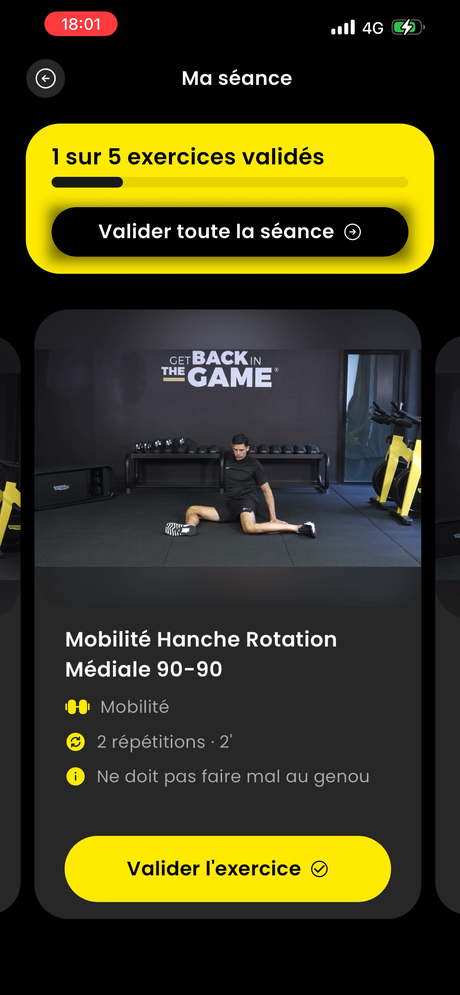
Ready to take your wrist flexor tendinopathy seriously?
Start the HOPP programme designed by sports physios.
Should you rest or keep playing sport?
Total rest is generally not necessary. It’s better to temporarily adapt the movements that clearly reproduce the pain, while starting eccentric strengthening as soon as possible.
Think you might have a different wrist or hand injury?
Take your free test in 3 minutes flat.
When should you see a specialist for this tendinopathy?
If the pain persists for more than four to six weeks despite adapting your activities and following a well-run strengthening programme, a medical opinion is recommended.
Expected recovery timeline for wrist flexor tendinopathy
Gradual improvement is generally seen over several weeks to a few months with a well-run eccentric strengthening programme, with recovery speed depending mainly on how long the symptoms have been present when treatment begins.
Preventing recurrence
Once the pain has settled, several measures can help stop it coming back:
- Keep up regular maintenance of eccentric strengthening for the wrist flexors
- Progress your training volume in stages, especially after a period of rest
- Work on your gripping or swing technique with a coach if it’s a contributing factor
- Warm up the forearm and wrist specifically before golf, throwing or climbing
The HOPP care programmes to treat your flexor tendinopathy and get back to sport
This tendinopathy requires rigorous, progressive eccentric strengthening. HOPP offers you a precise exercise programme, allowing you to get back to your activities as quickly as possible.
The programme runs from 3 to 9 weeks depending on the injury and ends with a reconditioning phase allowing a return to competition in the best possible conditions. Each programme is designed by the HOPP team, made up of two sports physiotherapists who are experts in assessing and treating athletes. You’ll also find theoretical content throughout your progression, so you master every aspect of your recovery and can adjust your treatment independently. If needed, our team of physiotherapists is on hand to support you.
Essential
FROM INJURY TO
BACK TO YOUR ACTIVITIES
59€
One-time payment
“AT YOUR OWN PACE WITH
DAILY ADAPTATION”
- 100% of the treatment programme
- Daily personalisation
- Flexibility / Mobility
- Strengthening
- Proprioception
- Progress tracking
- Return-to-running programme
- Theoretical content included
Performance
TO GET BACK TO SPORT
IN THE BEST CONDITIONS
79€
One-time payment
“GET BACK TO YOUR LEVEL
WITHOUT RISK OF RELAPSE”
- 100% of the treatment programme
- Daily personalisation
- Flexibility / Mobility
- Strengthening
- Proprioception
- Progress tracking
- Return-to-running programme
- Theoretical content included
- + 4-week return-to-play plan with 6 difficulty levels
Expert
PERSONALISED VIDEO-CALL
SUPPORT, ANY TIME
149€
One-time payment
“A PHYSIO
WHENEVER YOU NEED”
- 100% of the treatment programme
- Daily personalisation
- Flexibility / Mobility, Strengthening, Proprioception
- Progress tracking
- Return-to-running programme
- Theoretical content included
- + 4-week return-to-play plan with 6 difficulty levels
- + 2 video calls with an expert sports physio / return check-up
A programme that adapts to you every day
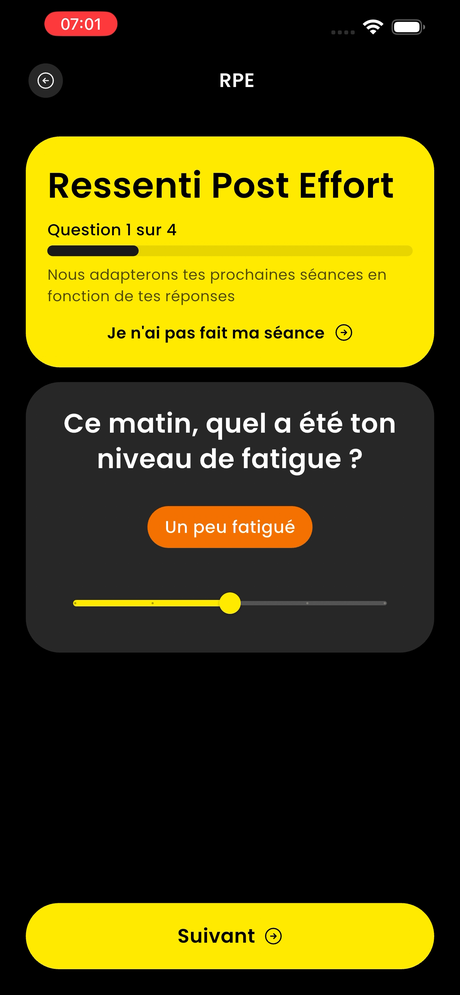
Every day, how you feel (RPE) is factored in to automatically adjust the rest of your programme: more load if all is well, a bit less if your wrist is complaining. This daily personalisation is what makes the difference compared to a fixed, paper-based programme.

Ready to start your programme?
Join the HOPP support programme designed by sports physios.
F.A.Q
Does the HOPP programme replace a medical consultation?
No. HOPP is a support and rehab tool designed by sports physiotherapists, but it doesn’t replace a doctor’s opinion. If in doubt, or if the pain persists, see a health professional.
Is the programme suited to all sporting levels?
Yes. Every programme is personalised to your sport, your level and how you feel each day, whether you’re a recreational athlete or preparing for competition.
Can I keep playing golf with this tendinopathy?
Not necessarily a complete stop, but a temporary adjustment of volume and sometimes technique, while starting eccentric strengthening in parallel.
How long does it take to recover?
This tendinopathy can take longer to heal than others, with gradual improvement over several weeks to a few months depending on how long the symptoms have been present.
What’s the difference with golfer’s elbow?
Both affect the same flexor muscles, but golfer’s elbow concerns their attachment at the elbow, whereas this tendinopathy concerns the tendons lower down, at the wrist.
How can I stop this tendinopathy coming back?
By keeping up regular maintenance of eccentric strengthening for the flexors, progressing your training volume in stages, and working on your technique if it’s a contributing factor.
Is this tendinopathy linked to carpal tunnel syndrome?
No, they’re two different conditions: tendinopathy affects the flexor tendons and causes pain on movement, whereas carpal tunnel syndrome affects a nerve and tends to cause tingling or numbness in the fingers.