



Understanding tissues and their healing timeframes
Every tissue in your body (bone, ligament, muscle, tendon, nerve, meniscus) has its own healing pace. Knowing these timeframes helps you avoid rushing through stages, but also avoid staying immobile longer than necessary.
A bone in a lower limb takes an average of 90 days to consolidate, versus 45 days for an upper limb. A ligament heals in 45 days, but often becomes usable again from day 21 with suitable work.[1]
Who to see based on your situation
A GP is often the first point of contact: they direct you to the imaging needed and to the right specialist. A sports doctor and a surgeon step in for more complex injuries or those needing a surgical opinion.
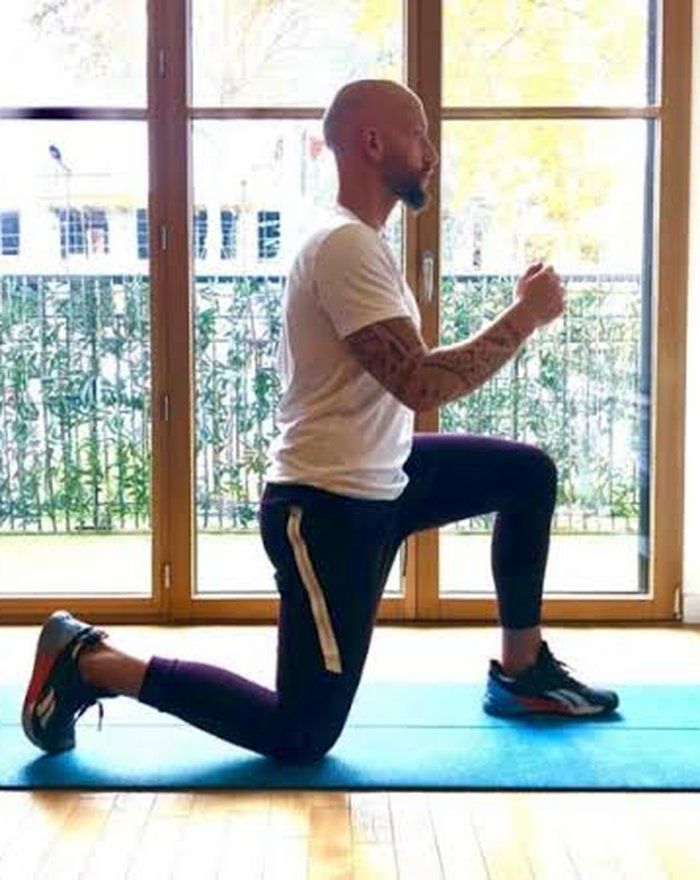
A physiotherapist supports you throughout rehab, from the acute phase through to returning to sport, adapting exercises to each stage of healing.

3 simple rules to manage your pain on your own
The 3 rules to follow
No pain above 3/10 during effort
No pain once cold (30 min to 2h post-effort)
No pain the following morning
The HOPP solution to support you
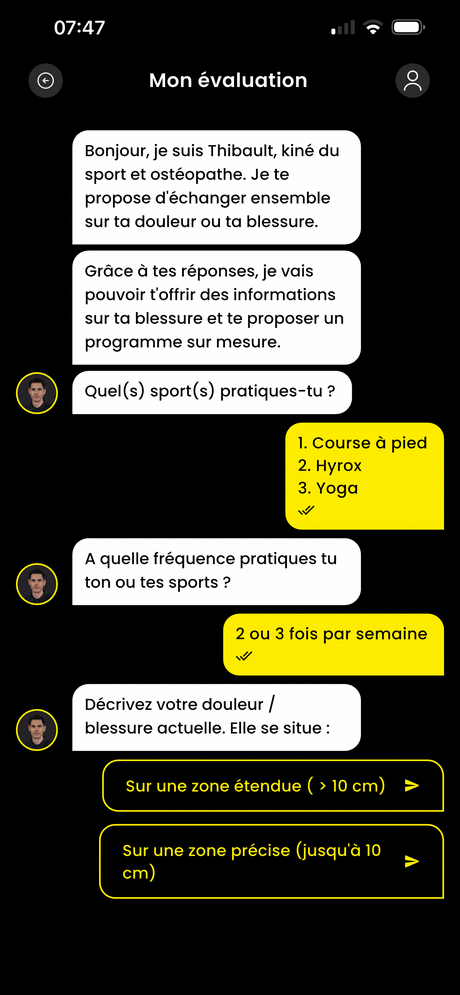
HOPP helps you understand your injury and follow a rehab programme suited to every stage of healing, independently and at the right pace.
A clear assessment of your injury
You describe your situation, HOPP helps you understand what’s going on and offers you a care programme suited to actual healing timeframes.

A sports physio if you’re unsure
If you’re not meeting the 3 rules or if the pain persists, an expert sports physio is available by video consultation to adjust your programme.
Frequently asked questions
Can I get back to sport before healing is fully complete?
Yes, in many cases: a ligament, for example, becomes usable again from day 21, well before it’s fully healed at 45 days, provided load and intensity are adapted.
How do I know if I’m pushing too hard on my own?
The 3 simple rules (no pain above 3/10 during effort, no pain once cold, no pain the following morning) are good markers. If any of them isn’t met, you need to reduce the load.
Should I always see a doctor before starting my rehab?
An initial medical opinion remains recommended to work out precisely what’s going on, particularly after trauma. The physiotherapist then takes over for the rest of the rehab.
Can HOPP replace physio sessions?
No, HOPP is a complementary support tool. It helps you understand your injury and follow a programme between sessions, but doesn’t replace follow-up with a health professional.
Ready to manage your injury independently?
Start your free assessment in 3 minutes and get your personalised programme.