


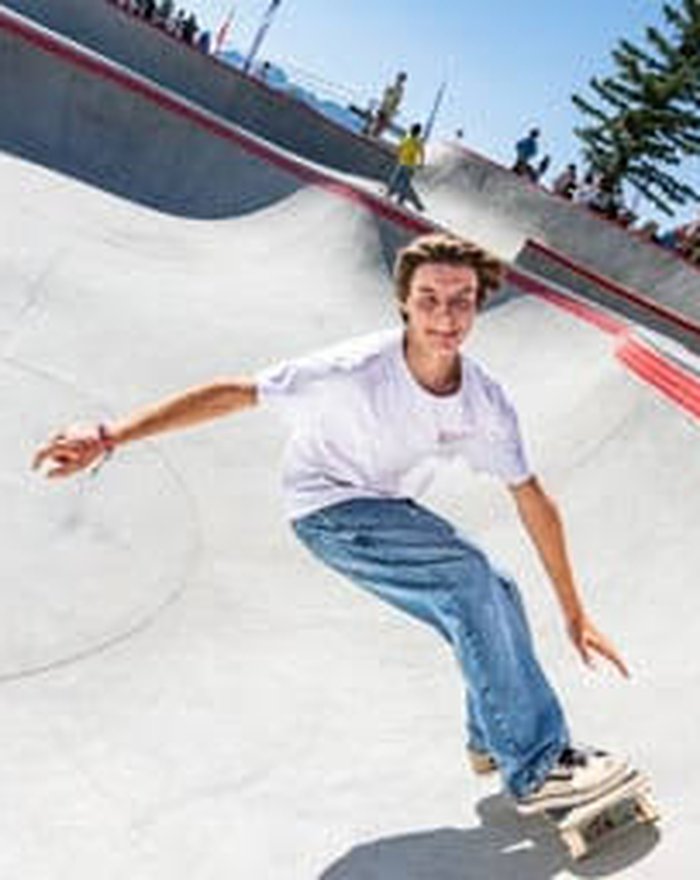
Board sports (surfing, skateboarding, snowboarding, longboarding) share one thing in common: balance is constantly challenged, and falls are part and parcel of the practice. That’s what makes them sports where traumatic injuries (falls, twists) are more common than gradual overuse injuries. HOPP was designed by FIFA-certified sports physios to help you understand your injury and get back to it without getting hurt a second time.
The most common board sport injuries
Unpredictable falls and landings expose you to traumatic injuries, often to the wrist, ankle and shoulder.
The most common, and why
Ankle sprain
— very common, linked to landings and poor footing.Wrist fracture or sprain
— the reflex of falling with a hand out in front, very common in skateboarding.Shoulder dislocation
— linked to falls with the arm extended, common in surfing and snowboarding.Anterior cruciate ligament (ACL) sprain
— linked to sudden knee twists during a fall or landing.Bone bruise / haematoma
— common on hard surfaces (skateboarding) or with repeated falls.
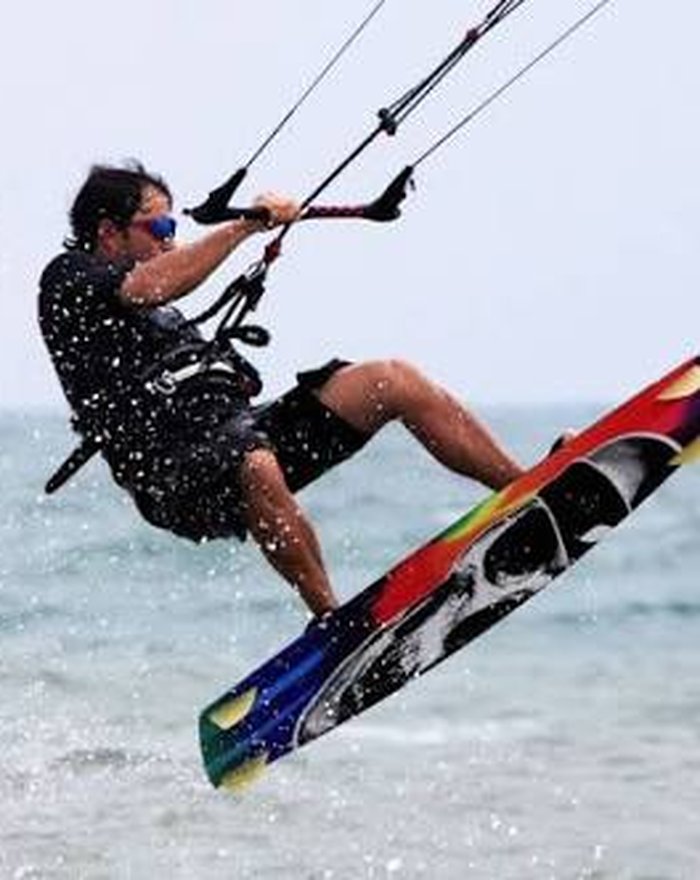
Find your board sport injury
8 board sport injuries are covered by the HOPP app. Select the one that matches your situation to access dedicated content: how the injury happens, the likely cause, and a suitable programme.
Not sure exactly what you have?
Take the HOPP test and get a clear answer about your injury.
Cause #1: a poorly controlled fall or landing
Weather conditions, unsuitable equipment: these factors play a role, but the most common cause of board sport injuries lies elsewhere. In the vast majority of cases, it’s a poorly negotiated fall, often while attempting a trick beyond your actual technical level, that transmits a sudden strain to a joint.
The most common mistakes
Attempting a trick beyond your actual technical level
Neglecting to learn controlled falling techniques
Progressing without warming up or prior proprioceptive strengthening
Returning after an injury without having regained full stability
HOPP physio tip
before blaming just bad luck, the first question to ask yourself is almost always the same: did I attempt a trick beyond my current technical level? That’s the factor most often at fault, and also the easiest to fix once identified.
The risks of doing nothing
Continuing to practise without understanding what happened is never a good strategy. Without proper care, a board sport injury almost always follows the same script.
What you risk without proper care
An injury that gets worse if you return too soon without having regained your stability
A longer recovery period than with prompt care
A higher risk of relapse on your return, if the cause hasn’t been treated
HOPP takes care of every board sport profile
An experienced rider stacking technical tricks, a casual weekend rider, someone discovering the discipline: every profile has different needs, but none is left out by HOPP.
The profiles HOPP supports
How HOPP supports you, day after day
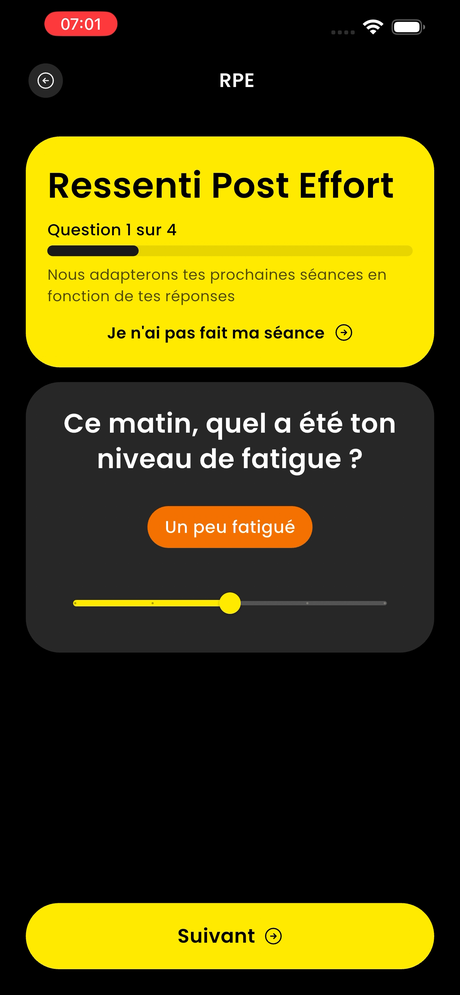
Since stability and proprioception are essential in board sports, that’s also the first thing HOPP helps you rebuild after an injury. Every morning, you indicate how you feel, and your programme adjusts accordingly: a bit more load if all is well, a bit less if the area is complaining. The programme helps you regain reliable stability before a full return.
Good to know
HOPP is an injury information tool designed by sports physiotherapists. It doesn’t replace a doctor’s opinion.
Frequently asked questions
Does HOPP replace a medical consultation?
No. HOPP is an injury information tool designed by sports physiotherapists, it doesn’t replace a doctor’s opinion. It gives you clear, quick guidance to understand your situation and know how to act, and directs you to a professional if needed.
Do I need to stop completely during the programme?
Not necessarily, depending on how severe the injury is. The programme adapts to your injury and how you feel each day: the return happens gradually, starting by regaining stability and mobility before coming back to the most demanding tricks.
I’m just starting out in board sports, is HOPP right for me?
Yes. The programme is calibrated to your actual practice, whether you’re just starting out or have been riding for years. It’s not designed only for experienced riders.
How long before I feel an improvement?
It depends on the injury and how long you’ve had it. You get a first clear explanation in 3 minutes, then the care programme gives you a realistic return trajectory, adjusted every day based on how you feel.
What if my condition doesn’t improve with the programme?
You can talk it through by teleconsultation with an expert sports physiotherapist to review your situation. HOPP also directs you to a medical consultation if your symptoms require it.
Is the 3-minute test really free?
Yes, the test that explains your injury is free and with no commitment. You then freely choose whether you want to start a suitable care programme.
Ready to get back to it without delay?
Start your personalised programme today, without waiting.