



What is return-to-play training?
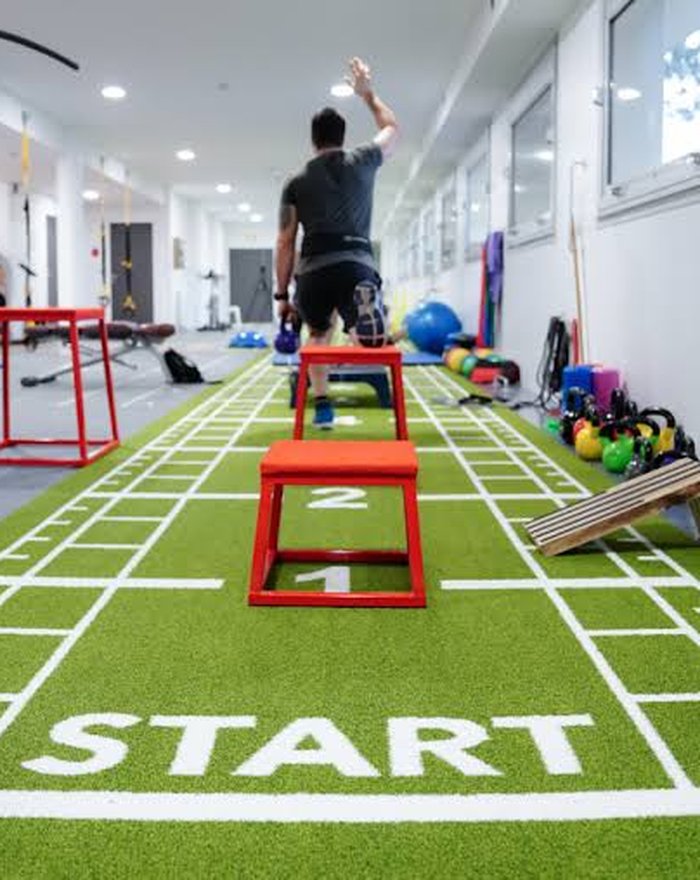
Return-to-play training brings together multi-joint exercises, at varying intensity, that progressively get closer to the real demands of your sport. It bridges the gap between standard rehabilitation and a return to real playing conditions.
After an ACL tear, for example, it can include rowing machine work or single-leg burpees, to rebuild strength, explosiveness and coordination before getting back on the field.
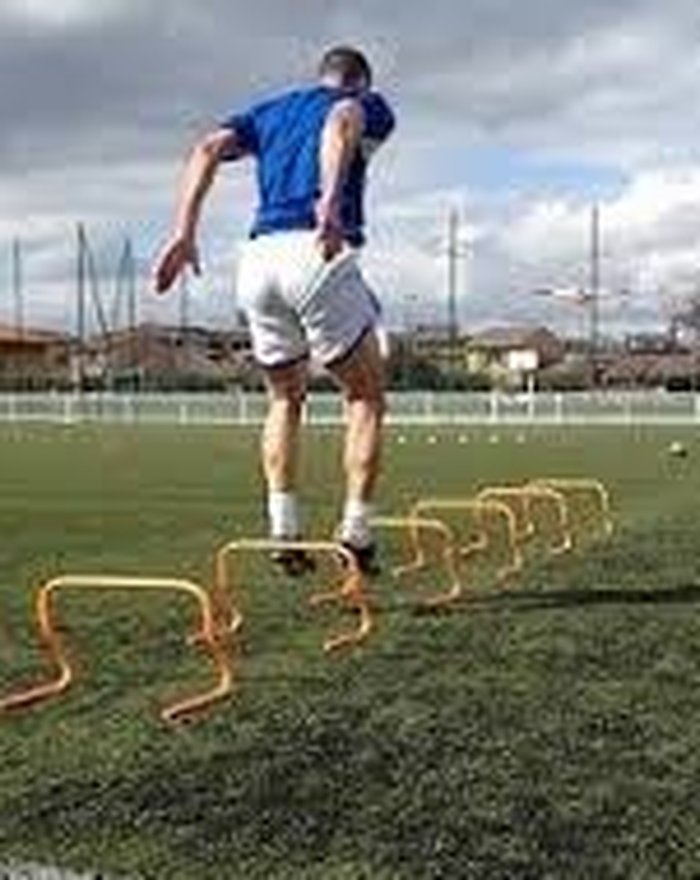
Real-world examples by injury
For an ankle sprain, return-to-play training includes changes of direction, jumps and speed exercises to regain all the confidence needed to return to sport.
The physiotherapist lays the safe foundations of the movement, while a sports coach can then fine-tune the physical preparation specific to your discipline.
Which injuries need return-to-play training?
Examples of relevant conditions
Fracture
Tendon injury
Meniscus injury
Collateral ligament sprain
Knee replacement
PCL repair
Ligament graft
Osteoarthritis
Muscle tear
Chronic instability
Vertebral compression
Limping
The HOPP solution to support you
HOPP supports you through the return-to-play phase with progressive exercises, suited to your injury and your sporting level.
A programme that ramps up in intensity
HOPP progresses your exercises towards the real demands of your sport, step by step.

A sports physio to validate your progress
Before a full return to sport, an expert sports physiotherapist can validate your progress by teleconsultation.
Frequently asked questions
What’s the difference between rehabilitation and return-to-play training?
Standard rehabilitation aims to regain normal function in everyday life. Return-to-play training goes further: it progressively brings your abilities closer to the specific demands of your sport.
Who oversees return-to-play training, the physio or the sports coach?
Both can be involved: the physiotherapist lays the safe foundations of the movement, and a sports coach can then fine-tune the physical preparation specific to your discipline.
When does the return-to-play phase start?
It generally starts once standard rehabilitation is well advanced, when the injured tissue can tolerate more intense, multi-joint exercises.
Is return-to-play training necessary for every injury?
It’s particularly recommended for injuries that require a return to a high level of physical demand, such as an ACL tear or a fracture.[1]
Ready to prepare your return to the field?
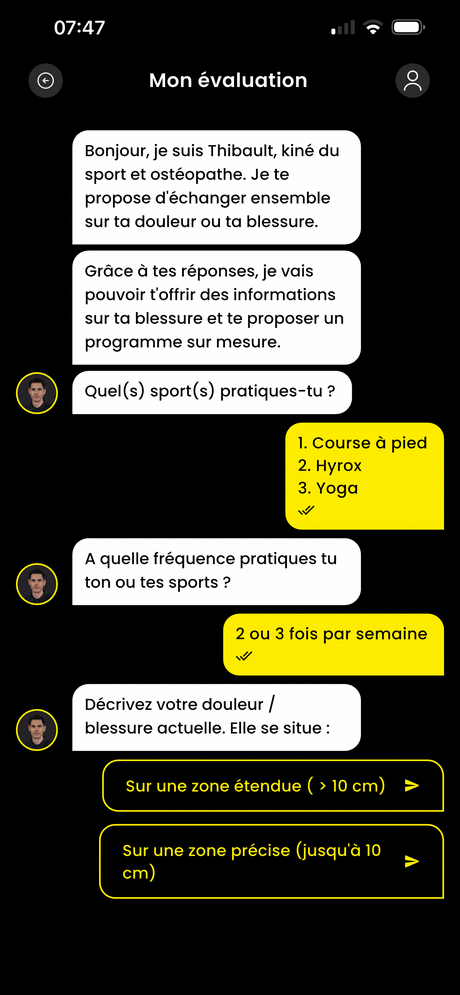
Start your free 3-minute assessment and get your personalised programme.