


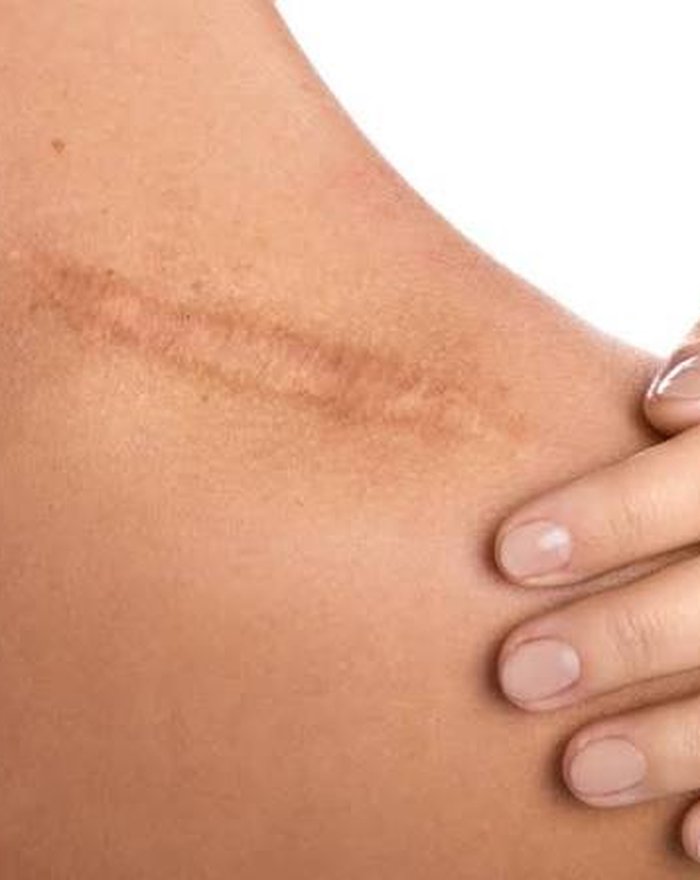
Different injuries depending on your sport
Some common examples
Running: shin splints, iliotibial band syndrome, patellofemoral pain syndrome
Football: muscle injuries, ankle sprains, groin pain
CrossFit: shoulder tendinitis, hernias, kneecap pain
Basketball: ankle and finger sprains
Handball: shoulder dislocations
Understanding how healing works
After an injury, your body triggers an inflammatory phase: this is a natural, necessary reaction that prepares tissue repair. It’s followed by a proliferation phase, where the tissue rebuilds, then a maturation phase that consolidates the scar over time.[1]
Trying to completely eliminate inflammation too early can hinder this repair. The goal is to modulate it, not eliminate it.
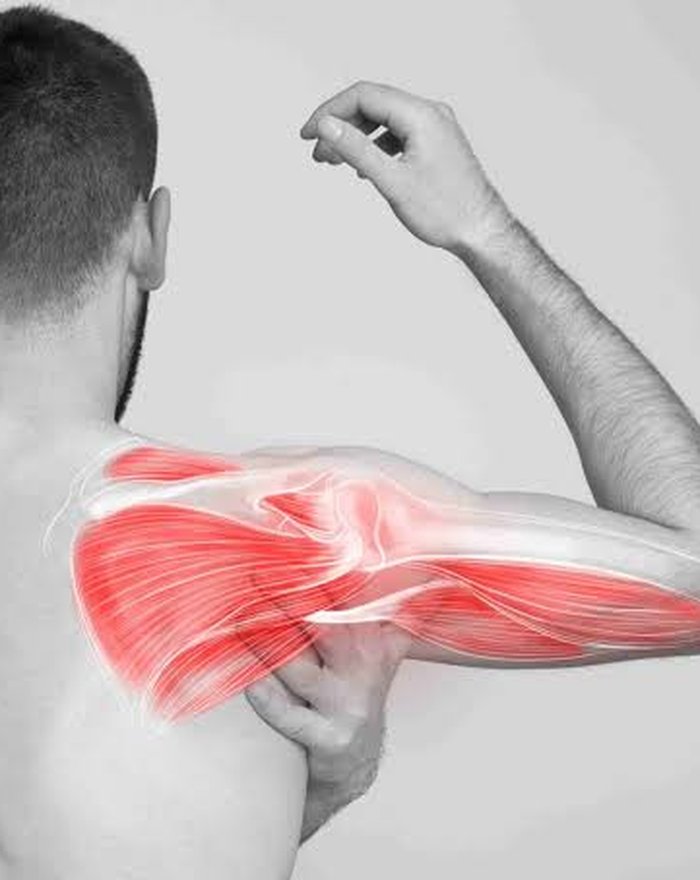
Who to see based on the severity of the injury
Depending on the intensity of the pain and the context of the injury, a GP, a sports doctor or directly a physiotherapist can be consulted to work out what’s going on and start care quickly.
The earlier and more suitable the care, the better the inflammatory phase is managed and the better conditions healing starts in.
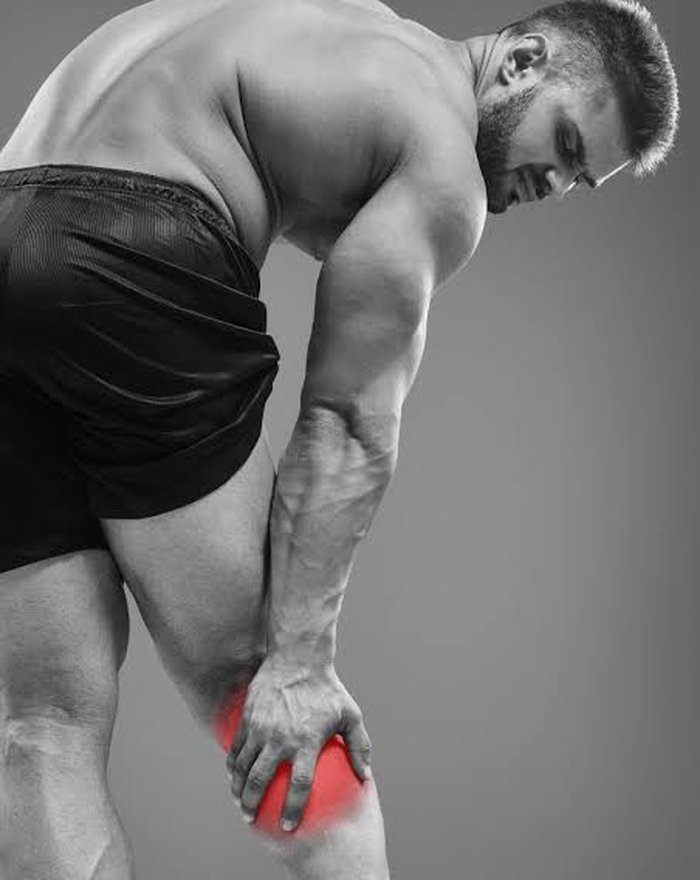
Techniques that speed up healing
What works
Physiotherapy (heat, cold, ultrasound, Tecar, electrostimulation) helps modulate inflammation
Well-dosed active exercise stimulates tissue rebuilding
7 to 8 hours of sleep a night supports tissue repair[2]
Suitable nutrition and well-modulated activity support healing
The HOPP solution to support you
HOPP supports you at every phase of healing, with exercises suited to the actual progression of your injury.
A programme that follows your healing
HOPP adapts the exercises offered to the healing phase you’re in, so as not to slow down or rush your recovery.
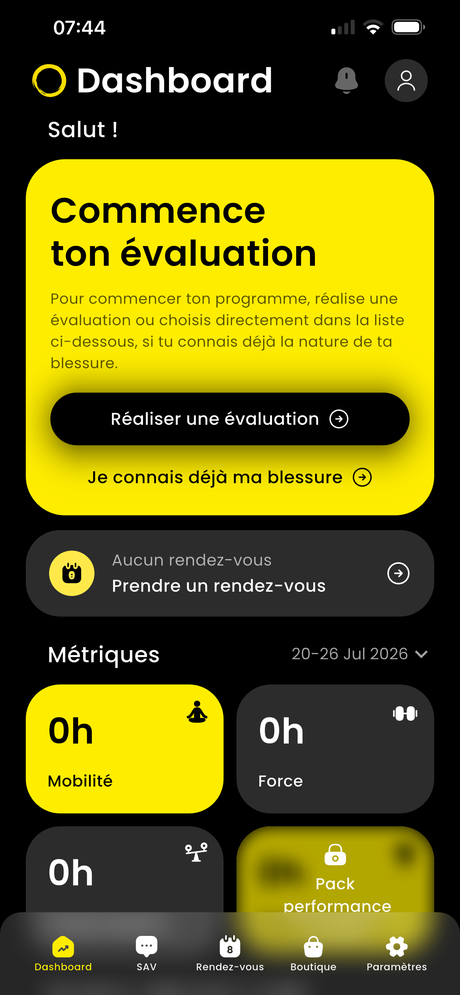
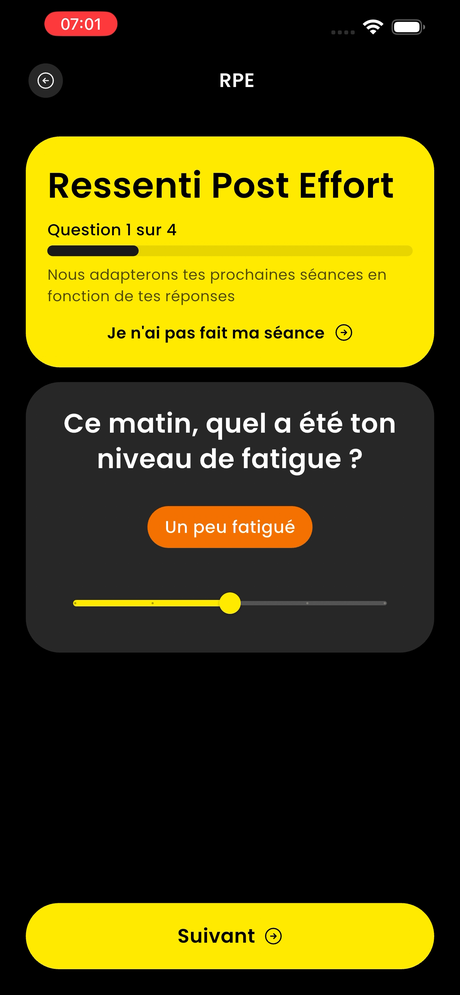
Daily tracking of how you feel
You track how your pain and recovery evolve day after day, to adjust your programme in real time.
Frequently asked questions
Do you need to completely eliminate inflammation to heal well?
No. Inflammation is a natural, necessary step in healing. The goal is to modulate it with the right techniques, not eliminate it completely too soon.
Does sleep really affect healing?
Yes, 7 to 8 hours of sleep a night directly supports tissue repair.[2] It’s a pillar of recovery that’s often underestimated.
How long does healing take?
It depends on the tissue involved: timeframes range from a few weeks for a muscle to several months for some tendons or fractures. A precise assessment can estimate the timeframe for your injury.
Can I keep playing sport while healing?
Often yes, provided you adapt the intensity and type of exercise to the current healing phase. Stopping completely isn’t always the best option.
Ready to speed up your healing?
Start your free assessment in 3 minutes and get your personalised programme.