


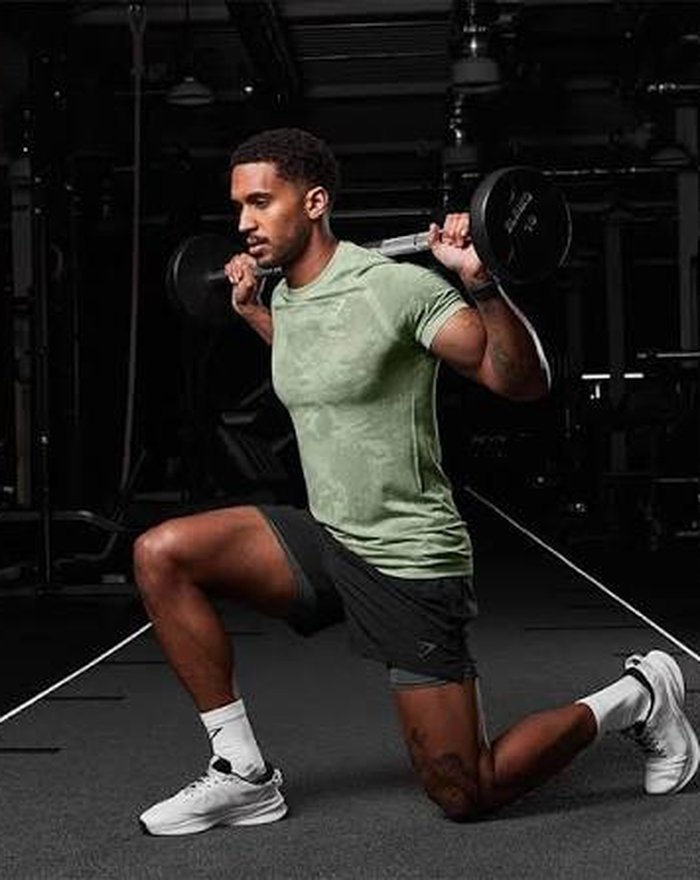
Concentric contraction
In a concentric contraction, the muscle shortens as it contracts. It’s the most intuitive movement: for example, knee extension when kicking a football.
It’s often the first type of contraction reintroduced in rehabilitation, because it’s easy to dose and control.
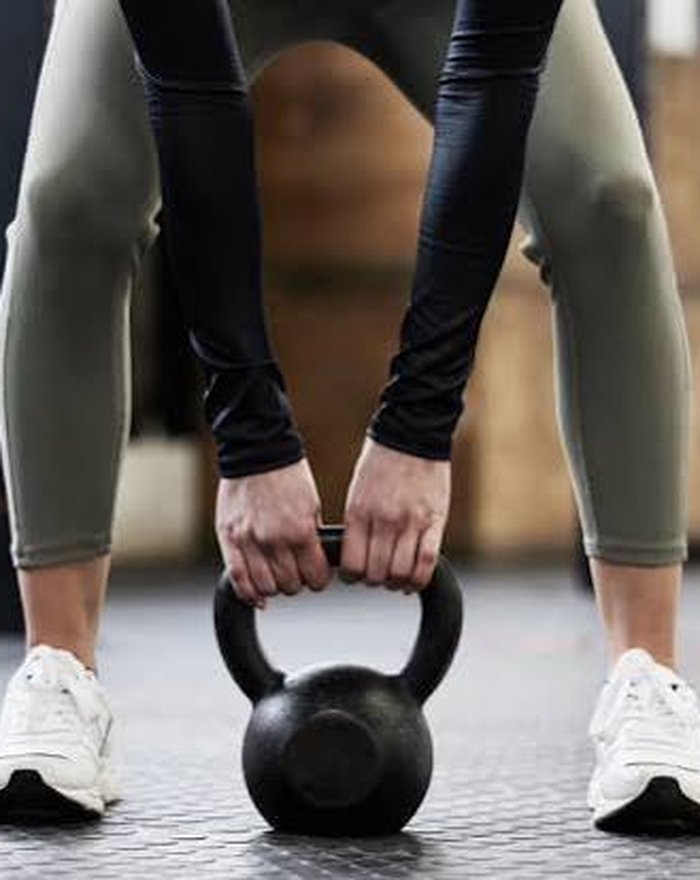
Eccentric contraction
Here, the muscle lengthens while contracting: this happens, for example, on the way down in a squat. This type of contraction is particularly used after a muscle strain or tear, because it strengthens the muscle’s ability to absorb tension.[1]
It’s also one of the most effective techniques for regaining joint mobility in a lasting way.

Isometric contraction and plyometrics
Two other essential types
The risks of poorly managed contraction
To avoid
Muscle contracture
Cramps
Muscle tear and bruising
The HOPP solution to support you
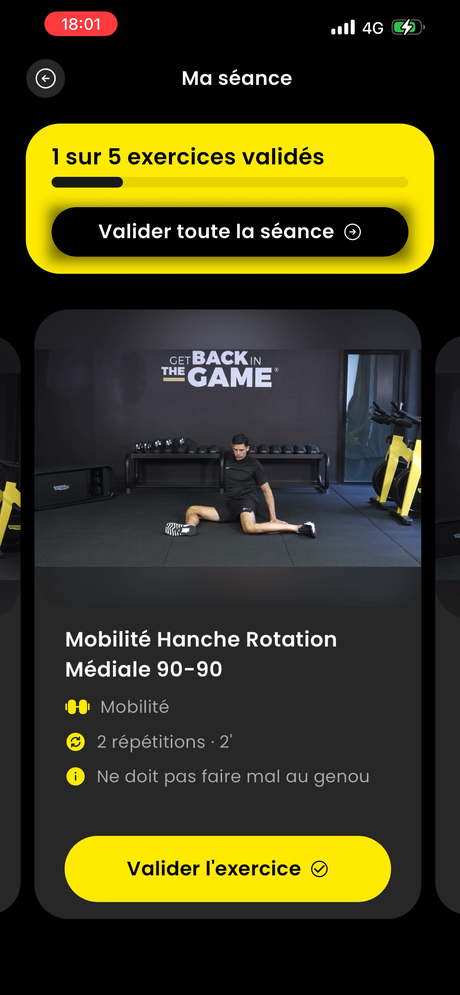
HOPP offers strengthening exercises suited to the right type of contraction, based on the stage of your rehabilitation.
Guided strengthening exercises
Videos filmed by sports physiotherapists help you choose the right type of contraction for your injury.
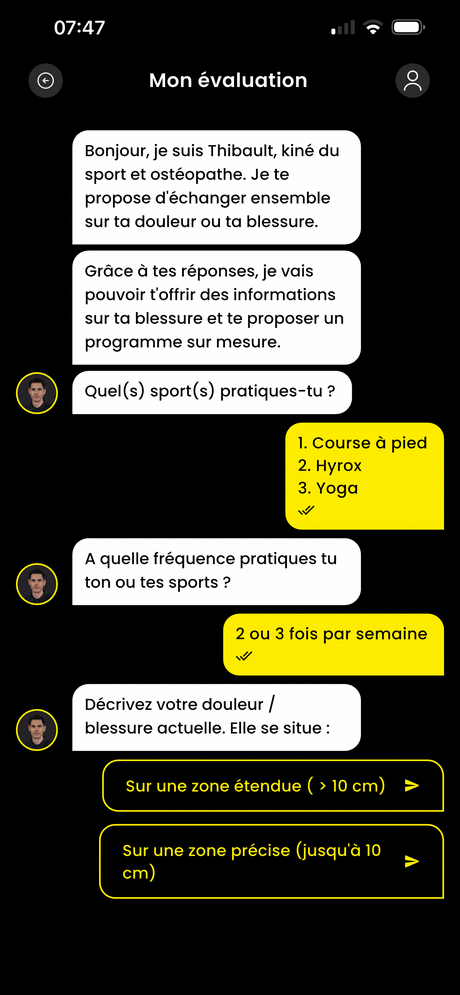
A sports physio to adjust your loads
If an exercise feels too difficult or painful, talk it through by teleconsultation with an expert sports physiotherapist.
Frequently asked questions
Which type of contraction should you use right after an injury?
Isometric work is often preferred at the very start of rehabilitation, because it involves no joint movement while still safely engaging the muscle.[2]
Why is eccentric work recommended after a muscle strain?
It strengthens the muscle’s ability to absorb tension — exactly the mechanism involved in a strain or tear.[1]
Is plyometrics dangerous?
It’s very effective but also very demanding on the tissues. It requires a good warm-up and is generally only introduced towards the end of rehabilitation.[3]
How do you avoid a muscle tear during strengthening?
By following a suitable progression between the different types of contraction, and by avoiding a load or intensity that’s excessive relative to the muscle’s actual capacity.
Ready to optimise your muscle strengthening?
Start your free 3-minute assessment and get your personalised programme.
Scientific references
- Goode AP, Reiman MP, Harris L, DeLisa L, Kauffman A, Beltramo D, Poole C, Ledbetter L, Taylor AB. Eccentric training for prevention of hamstring injuries may depend on intervention compliance: a systematic review and meta-analysis. British Journal of Sports Medicine, 2015;49(6):349-356. PubMed : pubmed.ncbi.nlm.nih.gov/25227125
- Rio E, Kidgell D, Purdam C, Gaida J, Moseley GL, Pearce AJ, Cook J. Isometric exercise induces analgesia and reduces inhibition in patellar tendinopathy. British Journal of Sports Medicine, 2015;49(19):1277-1283. PubMed : pubmed.ncbi.nlm.nih.gov/25979840
- Davies G, Riemann BL, Manske R. Current concepts of plyometric exercise. International Journal of Sports Physical Therapy, 2015;10(6):760-786. PubMed : pubmed.ncbi.nlm.nih.gov/26618058
This page is based on peer-reviewed scientific publications. It remains a general self-assessment tool and does not replace medical advice.