


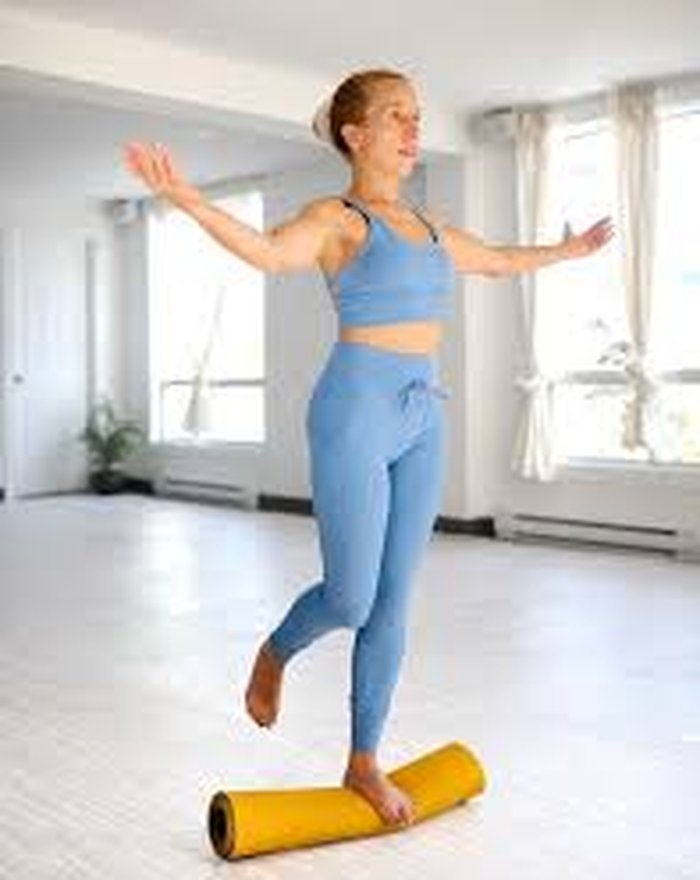
Passive stability and active stability
A joint’s passive stability depends on its anatomy: ligaments, joint capsule, bone congruence. It doesn’t depend on muscular action.
Active stability, on the other hand, depends on the speed and strength of contraction of the muscles around the joint. It’s what lets you react in a split second to a loss of balance — for example, in the shoulder when throwing in handball.
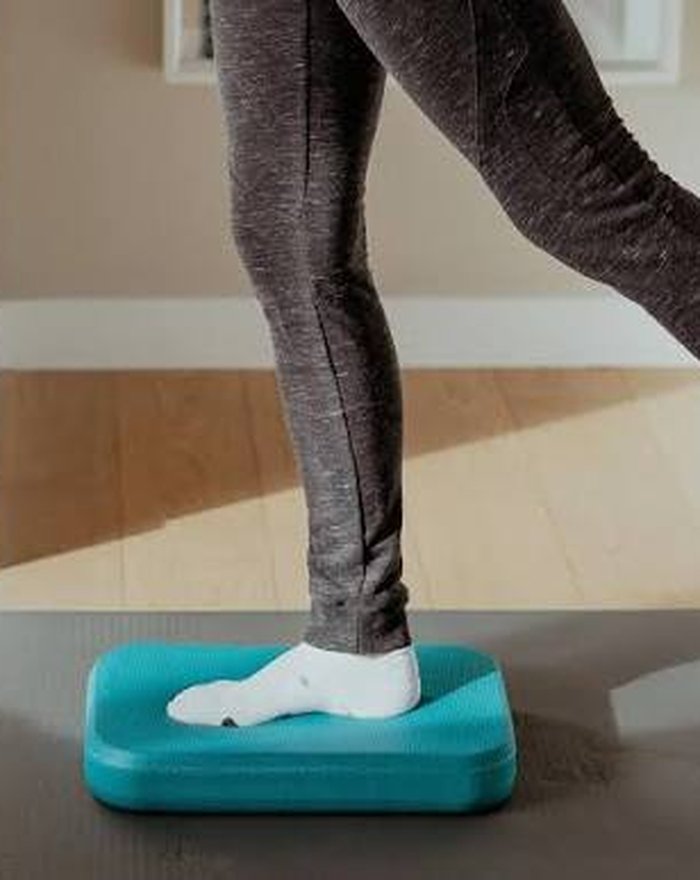
How does proprioception work?
Your body constantly sends sensory information (afferents) to your brain, which analyses the position and movement of each joint. At the same time, a faster spinal reflex allows an almost instant reaction in the event of a loss of balance.
After an ACL tear, for example, strengthening the quadriceps, hamstrings and ankle helps rebuild this active stability and regain confidence in the knee.
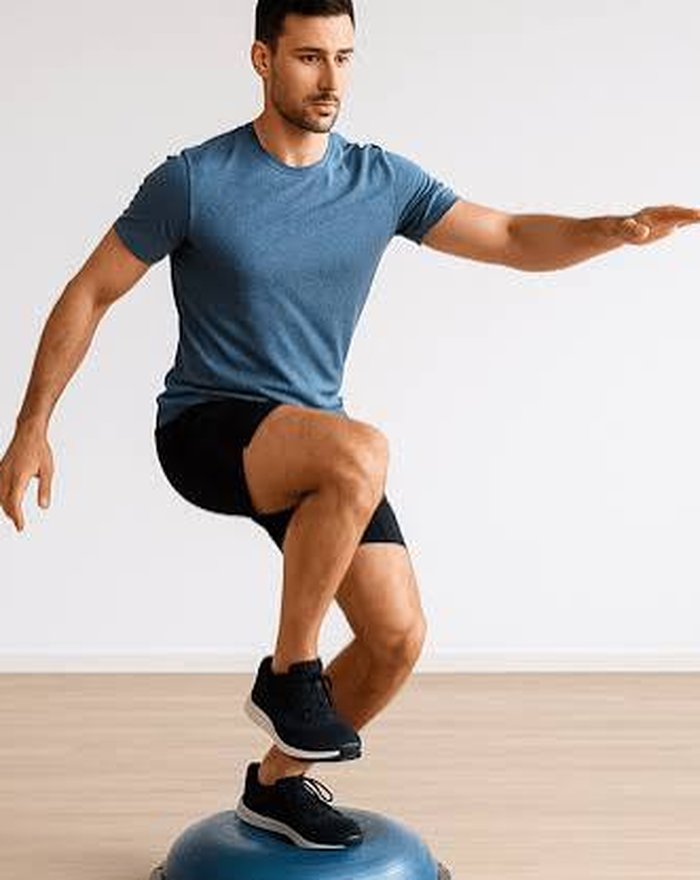
What can weaken your stability
Factors to be aware of
Congenital laxity
Joint trauma
Osteoarthritis
Tendinopathy
Prolonged immobilisation
Muscle tear
Joint stiffness
Post-surgical complication
Joint replacement
The HOPP solution to support you
HOPP includes proprioception exercises suited to your injury, to rebuild your stability and reduce the risk of recurrence.
Targeted proprioception exercises
Videos filmed by sports physiotherapists help you regain your joint stability safely.
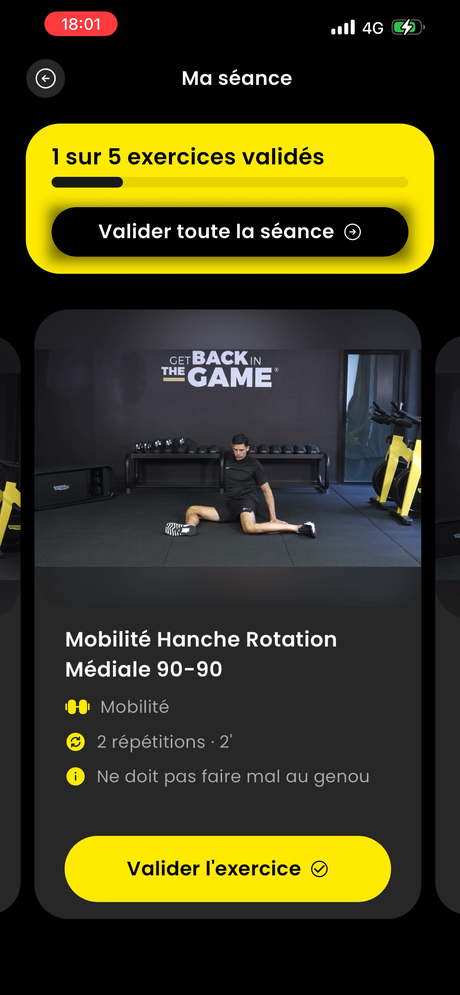
Personalised tracking of your progress
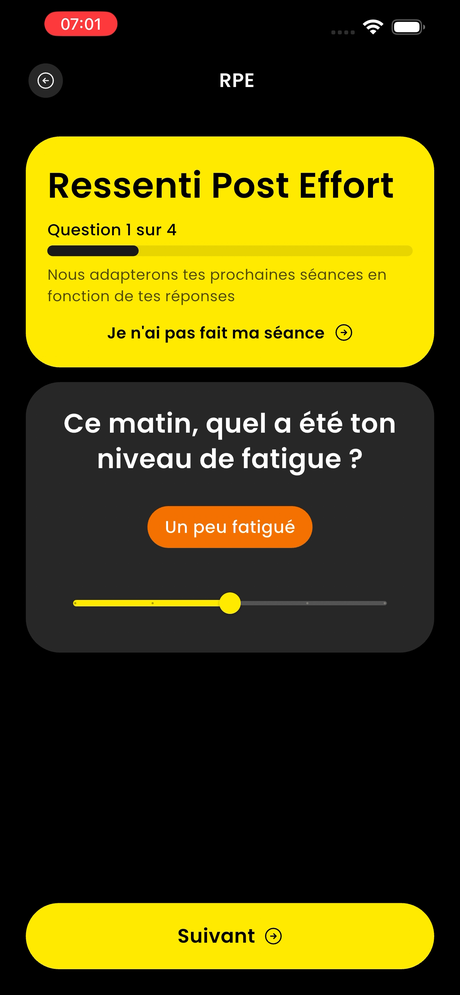
You follow how your stability evolves and adjust your programme based on your daily feedback.
Frequently asked questions
Why is proprioception essential after a sprain?
A sprain damages the joint’s sensory receptors, which increases the risk of recurrence. Proprioception work helps rebuild this information and the associated muscular reactivity.[1]
Passive stability vs active stability, what’s the difference?
Passive stability depends on anatomy (ligaments, capsule); active stability depends on the strength and speed of contraction of your muscles to react to a loss of balance.
How long does it take to regain proprioception after an injury?
This varies depending on the injury and how long ago it happened, but regular, progressive work over several weeks is needed to rebuild reliable stability.
Can proprioception prevent a first injury?
Yes, preventive proprioception work reduces the risk of injury, particularly for exposed joints like the ankle or knee.[2]
Ready to strengthen your stability?
Start your free 3-minute assessment and get your personalised programme.