


Injury
The popliteus: the small knee muscle everyone underestimates
It is a tiny muscle hidden behind the knee, and yet I systematically think of it when a knee stays stiff or “locked” after an injury. From experience, the popliteus is far too often neglected in knee rehabilitation, even though simply releasing this muscle can literally change an athlete’s recovery speed.
 By Thibault
10 October 2026
4 min read
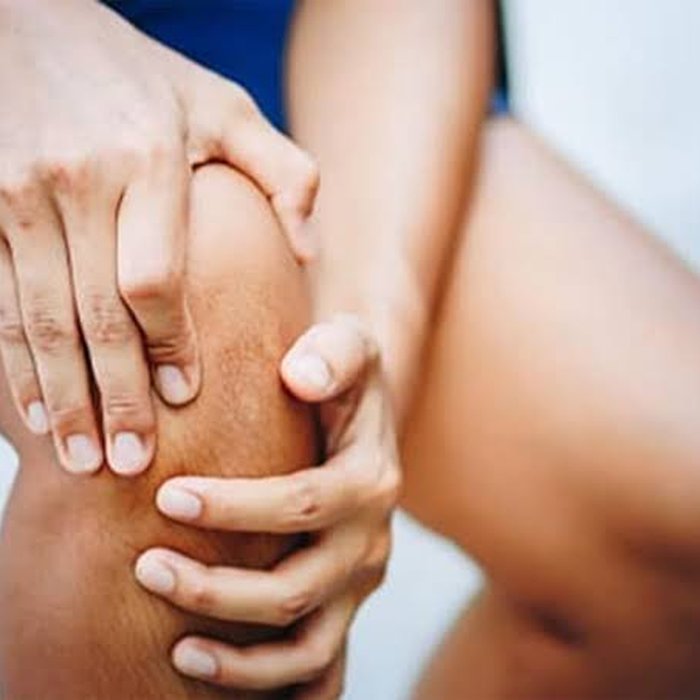
The popliteus, a small muscle with an underestimated role
Its role: unlocking the knee
The popliteus sits at the back of the knee. Its main role is to unlock the knee at the very start of flexion, by initiating an internal rotation of the tibia that cancels the locking obtained in full extension[1]. It is also an important dynamic stabilizer of the knee’s rotational movements, especially under load.
The only knee muscle in direct contact with the joint
What makes the popliteus unique is that its tendon is intra-articular, in direct contact with the capsule and the synovial fluid of the knee[1]. Unlike the quadriceps or the hamstrings, it is not simply “next to” the joint, it is inside it. In my view, this anatomical feature is what explains why releasing it has such a direct effect on how fluid the knee feels.
3 situations where I always check the popliteus
- After an anterior cruciate ligament (ACL) reconstruction
- After a meniscus repair
- After a knee twist on a poorly controlled or forced pivot in football, rugby, basketball or handball
What I see in practice: a popliteus that is often tight after a knee injury
After knee surgery
After an ACL reconstruction or a meniscus repair, I very often find the popliteus under tension.
Physio’s take
The popliteus has been identified as one of the structures with the greatest influence on the forces applied to the cruciate ligaments during walking and loaded flexion[2]. In my opinion, this stabilizing role explains why it goes into such protective tension after ACL or meniscus surgery: it takes on part of the work of protecting the joint while it heals.
After a twist in a pivoting sport
The same goes for a knee twist that happens on a poorly controlled or forced pivot, typical of contact sports with changes of direction such as football, rugby, basketball or handball.
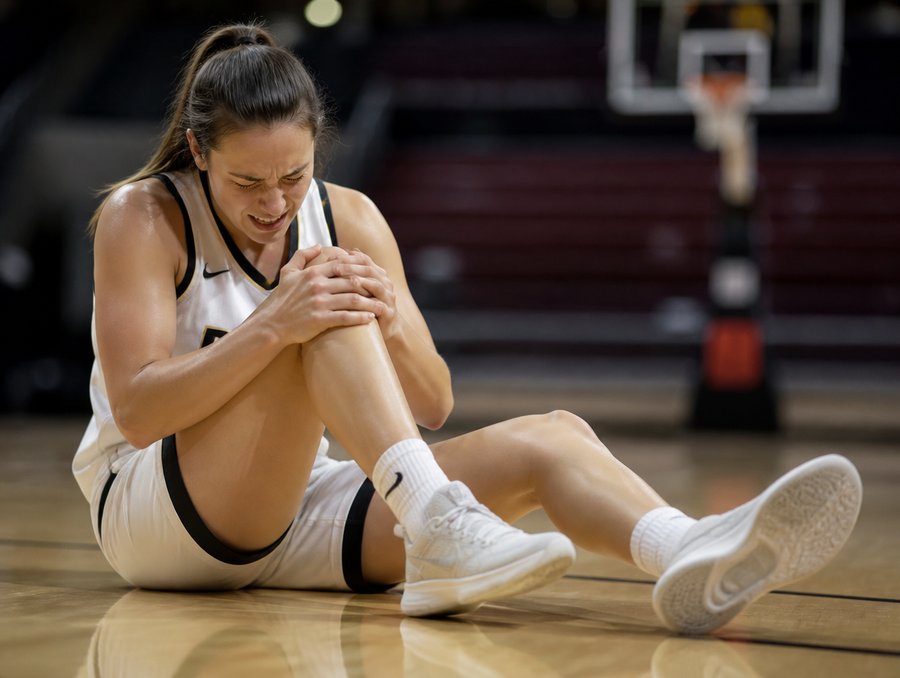
Why releasing the popliteus makes such a difference
Better drainage and an immediate feeling of fluidity
In my experience, releasing the popliteus almost always brings three benefits on a stiff knee: better drainage of the joint, an immediate feeling of lightness and fluidity, and faster gains in range of motion in the sessions that follow.
A release you can do by hand
Nothing could be simpler to achieve: direct manual techniques and fascia work allow a quick and effective release. It is entirely something you can learn to do yourself, by hand, without any equipment.
Releasing the popliteus is one of the techniques we teach step by step in the HOPP programme, or that we can go through together in a teleconsultation with one of our sports physios, to make sure you locate it and apply the right pressure.
A stiff knee is not inevitable, but overlooking this muscle can slow your return
Stiffness that feeds apprehension
Releasing the popliteus obviously does not solve every knee problem. But conversely, neglecting it can leave a slightly stiff knee with a lingering feeling of blockage. This stiffness often feeds apprehension in the athlete, which itself delays the return to sport, well beyond what healing alone would justify.
What to remember
A knee that stays stiff or “locked” several weeks after surgery or a twist, while the rest of the rehabilitation is progressing normally, deserves specific attention to the popliteus, not just extra quadriceps strengthening.
A knee that stays stiff after an injury? Find your solution in 3 minutes.
Do you have a knee that stays stiff after an injury or surgery?
HOPP lets you identify your injury in 3 minutes and start a personalized care programme right away, designed by FIFA-certified sports physios with more than 17 years of experience. No waiting for an appointment, wherever you are.
Frequently asked questions
Can the popliteus hurt after knee surgery (ACL, meniscus)?
Yes, it is even one of the situations where I find it under tension most often. It is not always a true localized pain, but rather a feeling of stiffness or blockage at the back of the knee, particularly in the last degrees of flexion or extension.
How do I know if my stiff knee comes from the popliteus?
This is something a clinician establishes in consultation, through palpation and specific knee rotation tests. In practice, if your knee stays stiff or “locked” even though your rehabilitation is otherwise progressing normally, it is a lead to check specifically with your physio.
Can you release the popliteus yourself?
Yes, it works very well by hand, on your own, once you know where and how to press. It is one of the techniques we teach in the HOPP programme, or that we can go through together in a teleconsultation with one of our sports physios.
Can a tight popliteus delay your return to sport?
Indirectly, yes. A knee that stays stiff often feeds apprehension in the athlete, which delays the return to sport well beyond what healing alone would justify. It is never the only factor, but it is a frequently underestimated cause.
Scientific references
- Jadhav SP, More SR, Riascos RF, Lemos DF, Swischuk LE. Comprehensive Review of the Anatomy, Function, and Imaging of the Popliteus and Associated Pathologic Conditions. RadioGraphics, 2014;34(2):496-513. PubMed: pubmed.ncbi.nlm.nih.gov/24617694
- Kang KT, Koh YG, Nam JH, Jung M, Kim SJ, Kim SH. Biomechanical evaluation of the influence of posterolateral corner structures on cruciate ligaments forces during simulated gait and squatting. PLoS One, 2019;14(4):e0214496. PubMed: pubmed.ncbi.nlm.nih.gov/30947292
Une blessure au genou ?
Get the facts on your injury in 3 min
- Start your care without waiting
- Get back to your activities without wasting time