


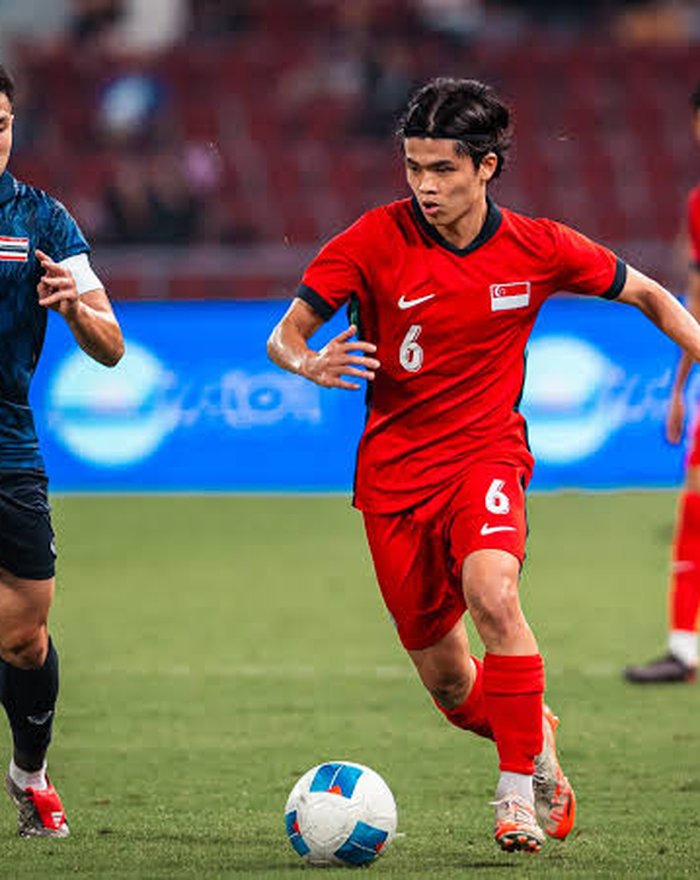
The role of the muscle in athletes
A muscle is a bundle of fibres that contract under nerve impulses, moving a joint via the tendon. The more it’s worked, the stronger it gets, but beyond a certain capacity, it gets injured.
There are two types of muscle fibres: white fibres, geared towards endurance, and red fibres, with explosive potential. Genetics and sporting practice influence how they’re distributed.
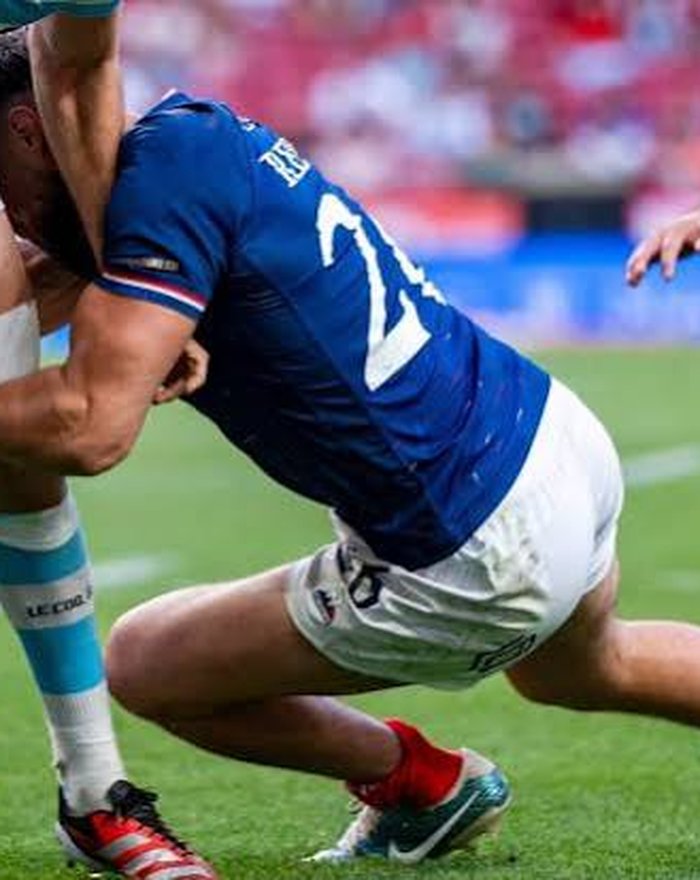
The different stages of severity
Depending on the extent of the damage to the muscle fibres and supporting tissue, several levels can be identified:[1]
Strain: damage to the muscle fibres and supporting tissue, with no haematoma visible on ultrasound
Tear or pull: more extensive damage to the fibres and supporting tissue, associated with a haematoma
Muscle soreness (DOMS) and muscle cramping are milder issues, not to be confused with a real injury
The most common muscle injuries in athletes
Rehabilitation: essential to avoid a relapse
A muscle injury heals, but the repaired tissue is initially less resistant than healthy muscle. Without full rehabilitation (progressive strengthening, stretching, supervised return), the risk of recurrence in the same area is high.[3]
The time needed before returning depends directly on the stage of severity identified during the clinical examination and ultrasound.
The HOPP solution to support you
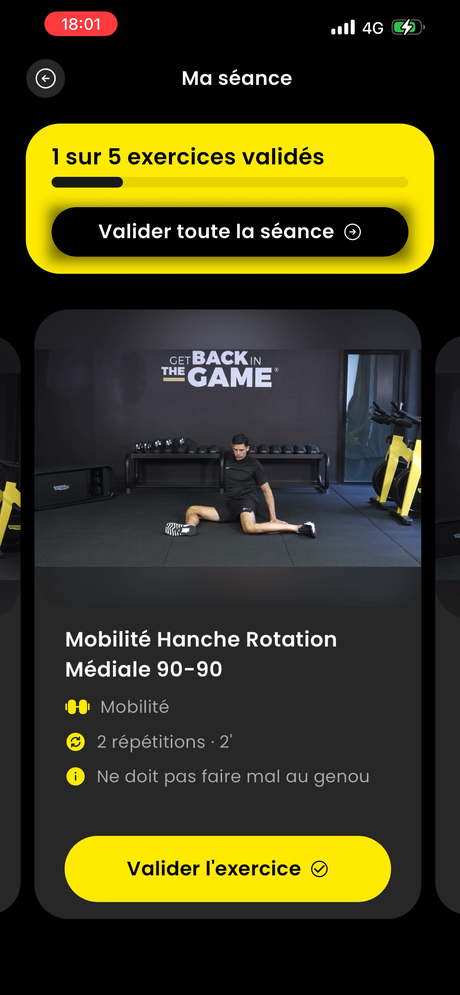
HOPP helps you understand the stage of your muscle injury and follow a progressive rehabilitation programme all the way to your return to sport.
A programme suited to the stage of your injury
HOPP identifies how severe your injury is and offers you calibrated exercises, from relative rest through to full strengthening.

A progressive, secure return
Eccentric strengthening and return-to-play exercises to avoid a recurrence in the same area.
Frequently asked questions
What’s the difference between a strain, a tear and a pull?
These are increasing degrees of severity of the same muscle injury. A strain affects the fibres with no haematoma; a tear or a pull comes with a haematoma and more extensive damage.
Can I keep playing sport with a strain?
Rarely without risk. Even a mild muscle injury requires a phase of relative rest before a progressive return, or the injury may get worse.
Why is recurrence so common with this type of injury?
Because scar tissue is initially less elastic and less resistant than healthy muscle. Without full rehabilitation, the area stays fragile.
How long before I can get back to sport after a tear?
It depends on the stage and the muscle involved, from a few weeks to several months for the most extensive injuries.
Does your pain sound like a muscle injury?
Get a clear answer in 3 minutes and start your suitable programme.
Scientific references
- Mueller-Wohlfahrt HW, Haensel L, Mithoefer K, et al. Terminology and classification of muscle injuries in sport: the Munich consensus statement. British Journal of Sports Medicine, 2013;47(6):342-350. PubMed : pubmed.ncbi.nlm.nih.gov/23080315
- Järvinen TA, Järvinen TL, Kääriäinen M, Aärimaa V, Vaittinen S, Kalimo H, Järvinen M. Muscle injuries: optimising recovery. Best Practice & Research Clinical Rheumatology, 2007;21(2):317-331. PubMed : pubmed.ncbi.nlm.nih.gov/17512485
This page is based on peer-reviewed scientific publications. It remains a general self-assessment tool and does not replace medical advice.